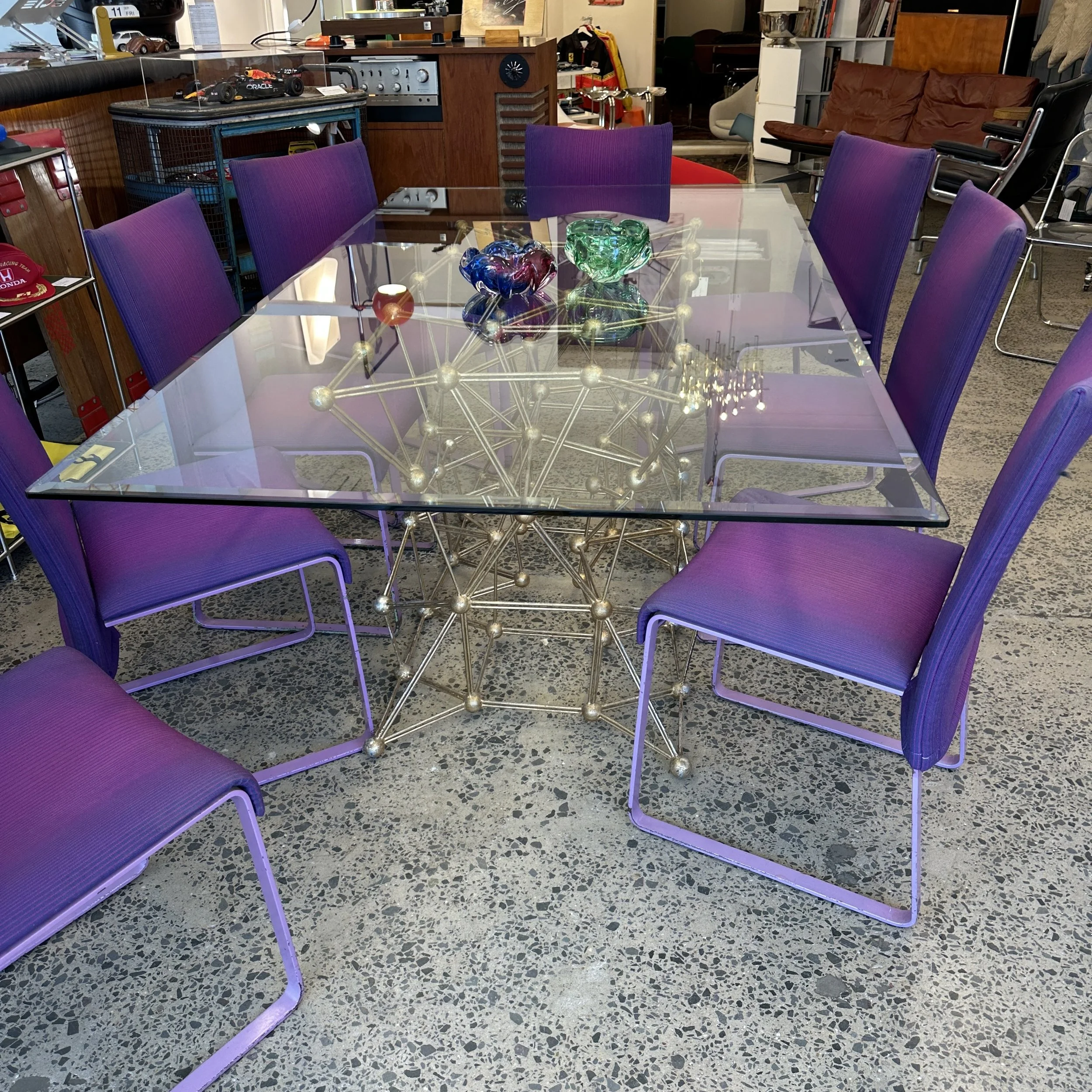
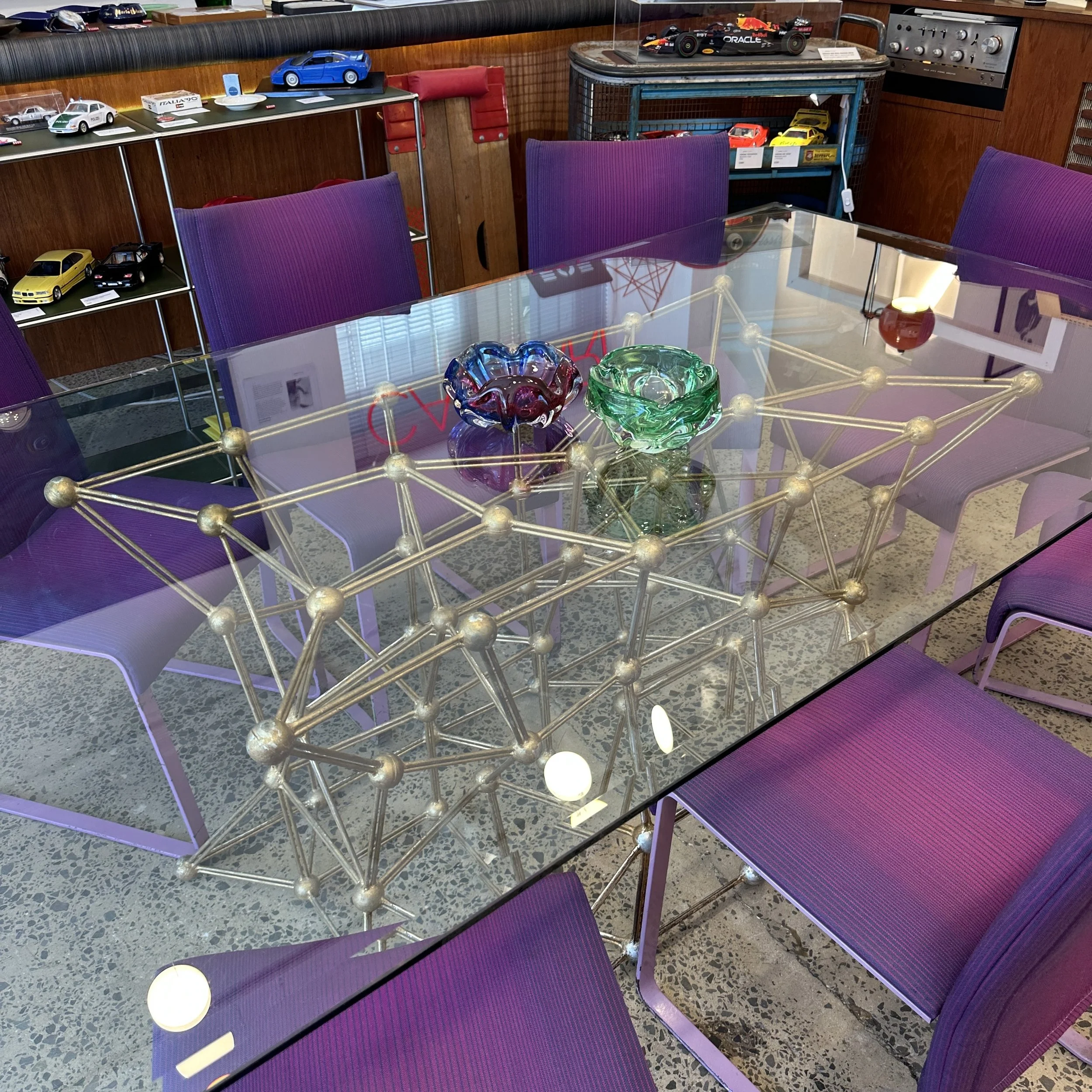
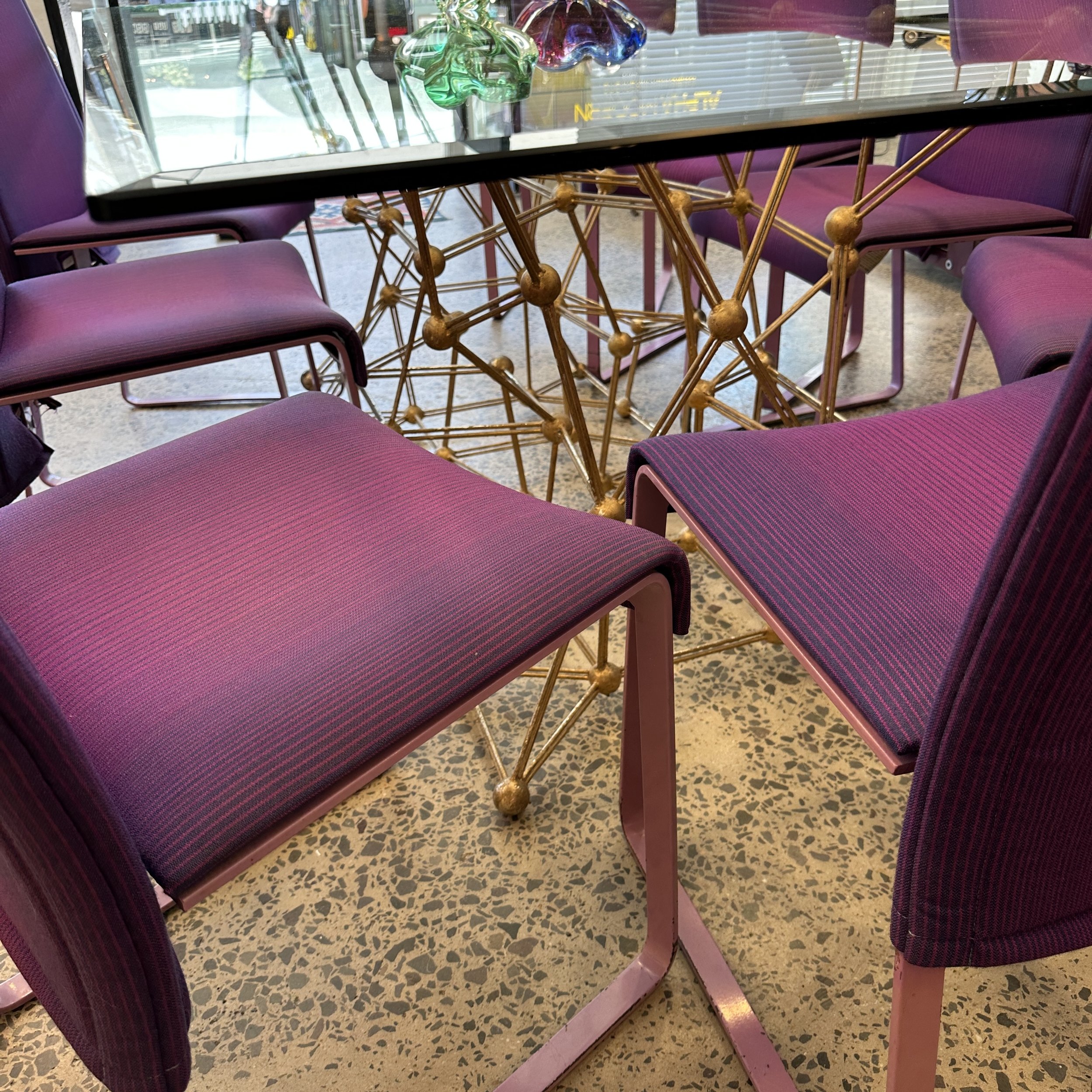
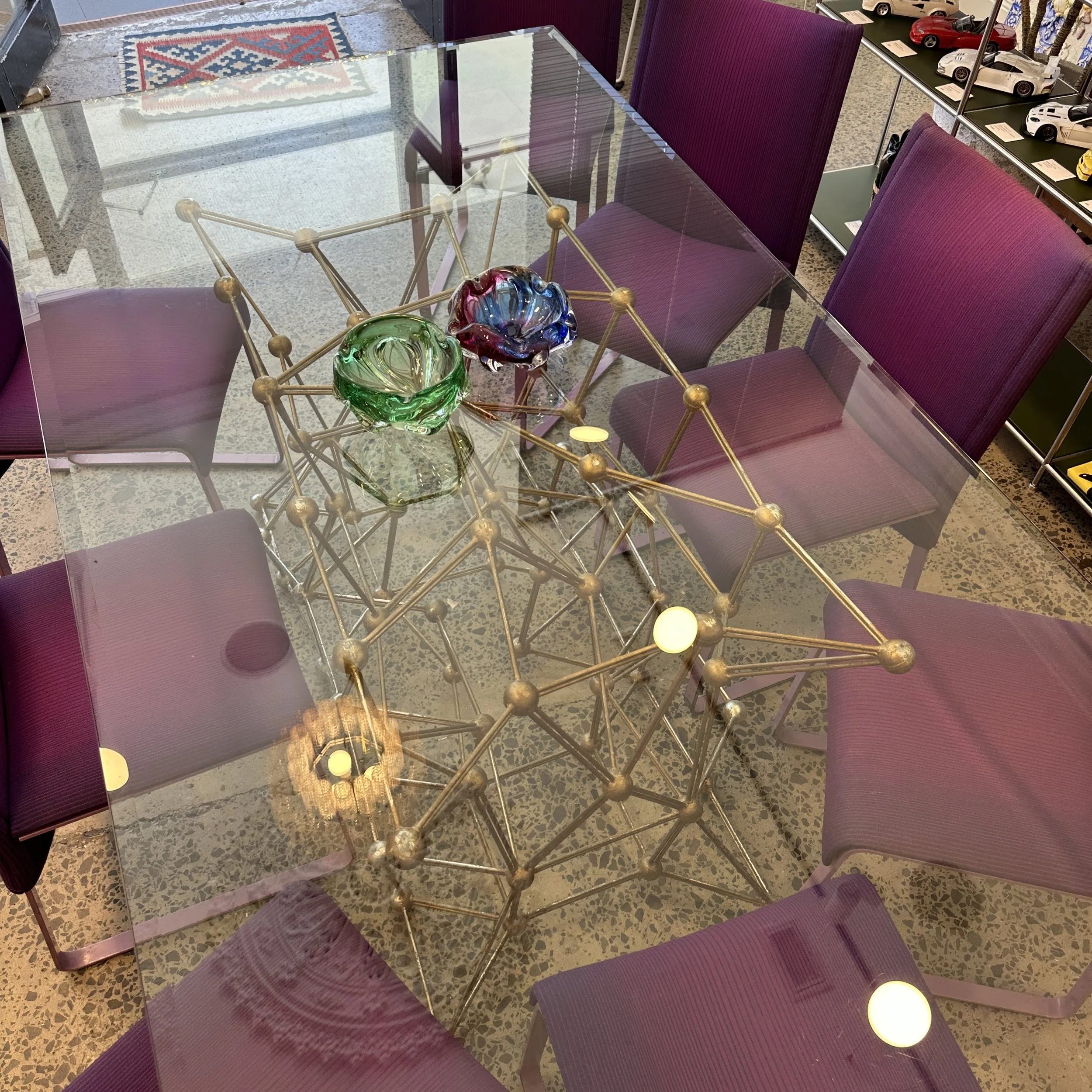
A beautiful example of Rodney Kinsmans 1970s designs, this tubular chrome coffee table is perfectly paired with a green glass top making it an elegant and airy coffee table for any lounge space.
In lovely vintage condition, the chrome presents very well with some light patina across the frame. The glass is near flawless with only very light scratches from use.
Dimensions: 605mm wide x 1150mm long x 315mm high
About the Designer
Rodney Kinsman is one of the defining figures of British high-tech furniture design. After graduating from London's Central School of Art, he founded OMK in the mid-1960s with the ambition of creating furniture that embraced modern industrial production rather than traditional craftsmanship. His work rejected unnecessary ornament in favour of clean geometry, engineered precision and honest materials, establishing a distinctive aesthetic that would influence furniture design for decades.
Kinsman's designs of the 1970s are particularly celebrated for their innovative use of tubular steel. By exploiting the material's strength, lightness and ability to be bent into elegant structural forms, he created furniture that was both visually minimal and exceptionally durable. Rather than concealing construction, Kinsman made the frame an integral part of the design, allowing the engineering itself to become the aesthetic. Powder-coated steel, perforated sheet metal and exposed joints reflected a belief that industrial manufacturing could produce objects of lasting beauty as well as practicality.
His best-known work, the Omstak chair (1971–72), perfectly captures this philosophy. Combining a tubular steel frame with perforated pressed-steel seat and back panels, the chair was stackable, robust and economical to manufacture while remaining strikingly sculptural. The perforations reduced weight, increased rigidity and became one of its defining visual characteristics, helping establish the Omstak as an icon of 1970s industrial design. Still in production today, it remains one of the most enduring examples of British modernist furniture and a benchmark for functional, high-tech design.
A beautiful example of Rodney Kinsmans 1970s designs, this tubular chrome coffee table is perfectly paired with a green glass top making it an elegant and airy coffee table for any lounge space.
In lovely vintage condition, the chrome presents very well with some light patina across the frame. The glass is near flawless with only very light scratches from use.
Dimensions: 605mm wide x 1150mm long x 315mm high
About the Designer
Rodney Kinsman is one of the defining figures of British high-tech furniture design. After graduating from London's Central School of Art, he founded OMK in the mid-1960s with the ambition of creating furniture that embraced modern industrial production rather than traditional craftsmanship. His work rejected unnecessary ornament in favour of clean geometry, engineered precision and honest materials, establishing a distinctive aesthetic that would influence furniture design for decades.
Kinsman's designs of the 1970s are particularly celebrated for their innovative use of tubular steel. By exploiting the material's strength, lightness and ability to be bent into elegant structural forms, he created furniture that was both visually minimal and exceptionally durable. Rather than concealing construction, Kinsman made the frame an integral part of the design, allowing the engineering itself to become the aesthetic. Powder-coated steel, perforated sheet metal and exposed joints reflected a belief that industrial manufacturing could produce objects of lasting beauty as well as practicality.
His best-known work, the Omstak chair (1971–72), perfectly captures this philosophy. Combining a tubular steel frame with perforated pressed-steel seat and back panels, the chair was stackable, robust and economical to manufacture while remaining strikingly sculptural. The perforations reduced weight, increased rigidity and became one of its defining visual characteristics, helping establish the Omstak as an icon of 1970s industrial design. Still in production today, it remains one of the most enduring examples of British modernist furniture and a benchmark for functional, high-tech design.


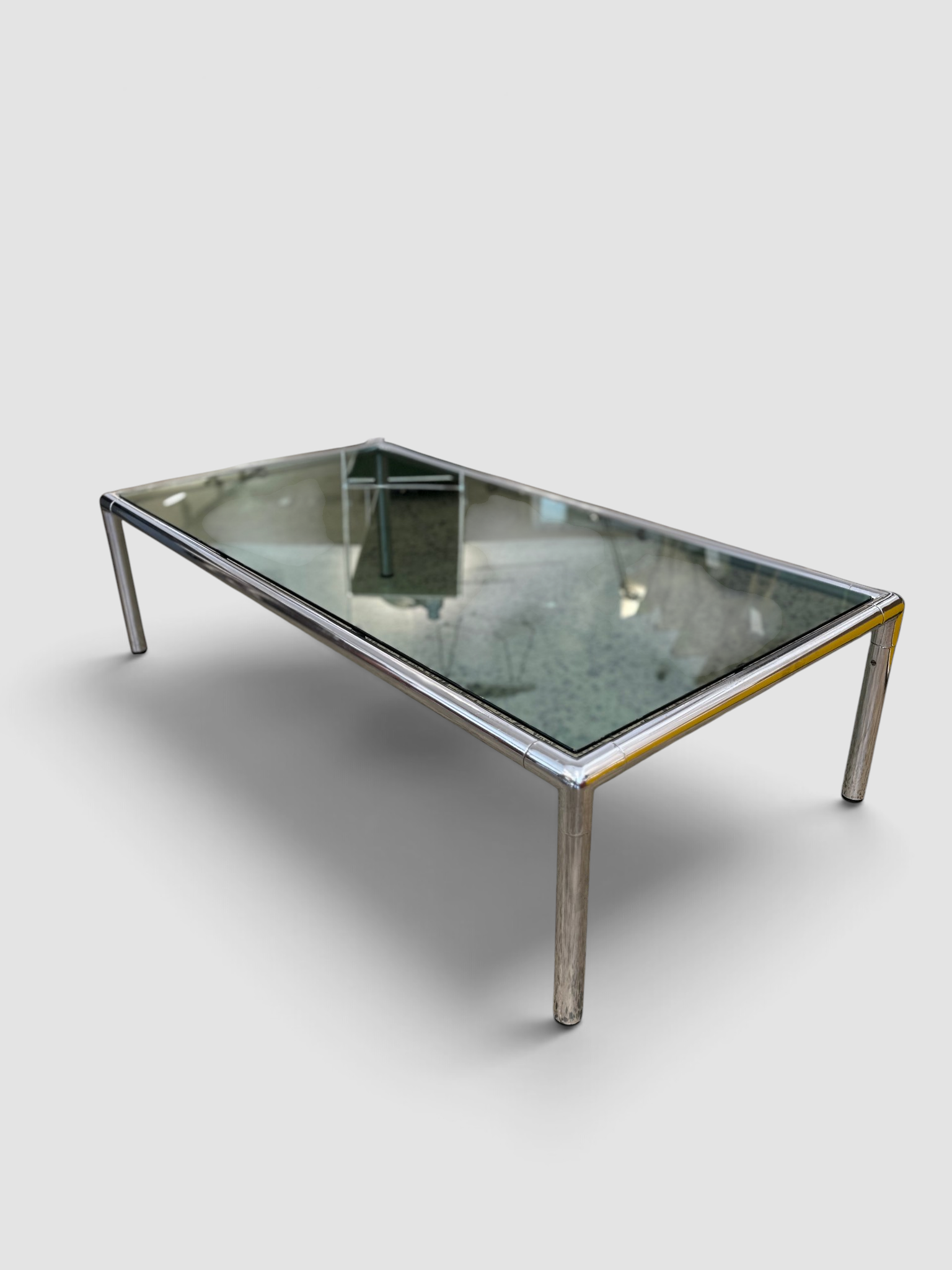 Image 1 of 7
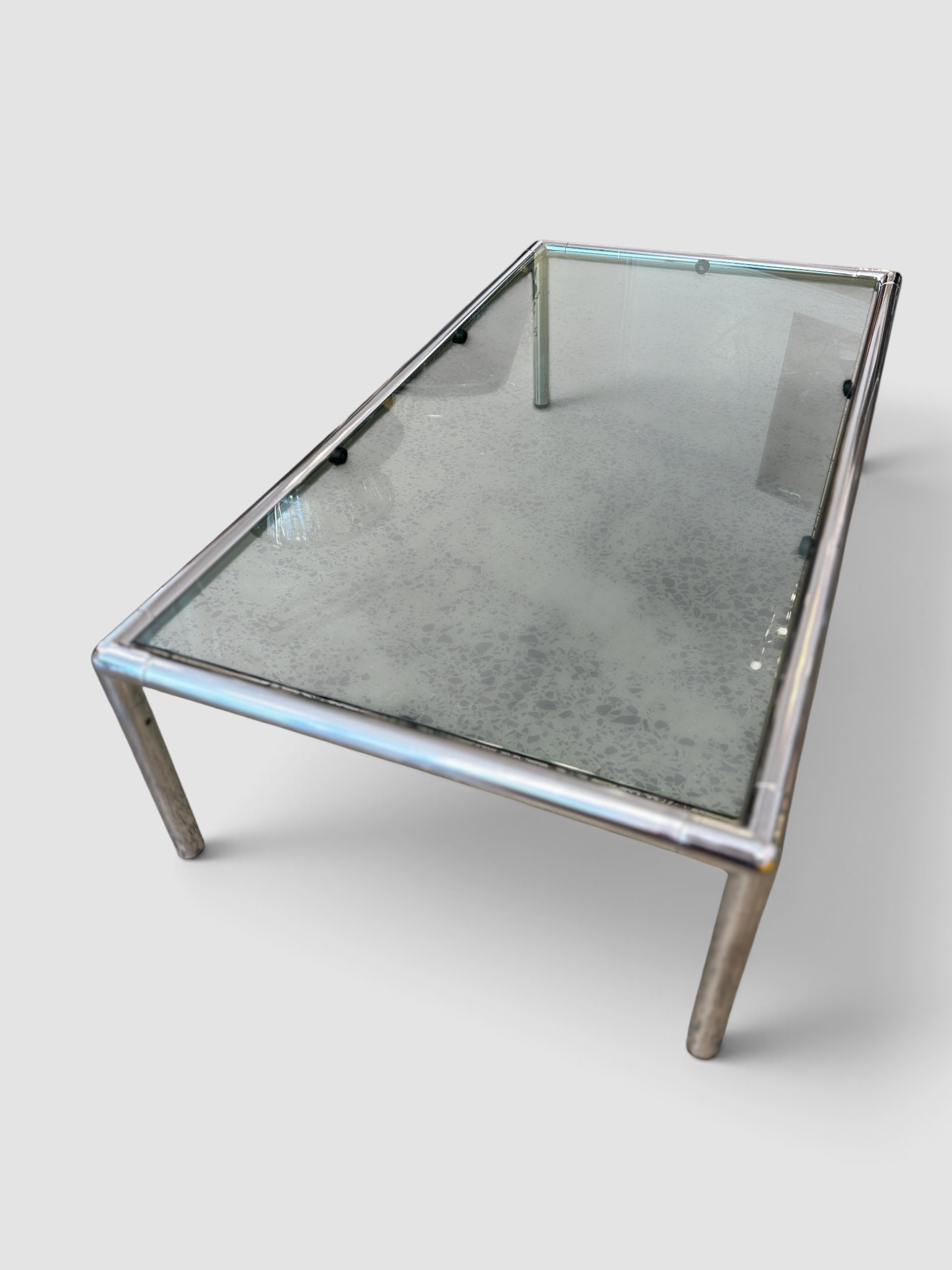 Image 2 of 7
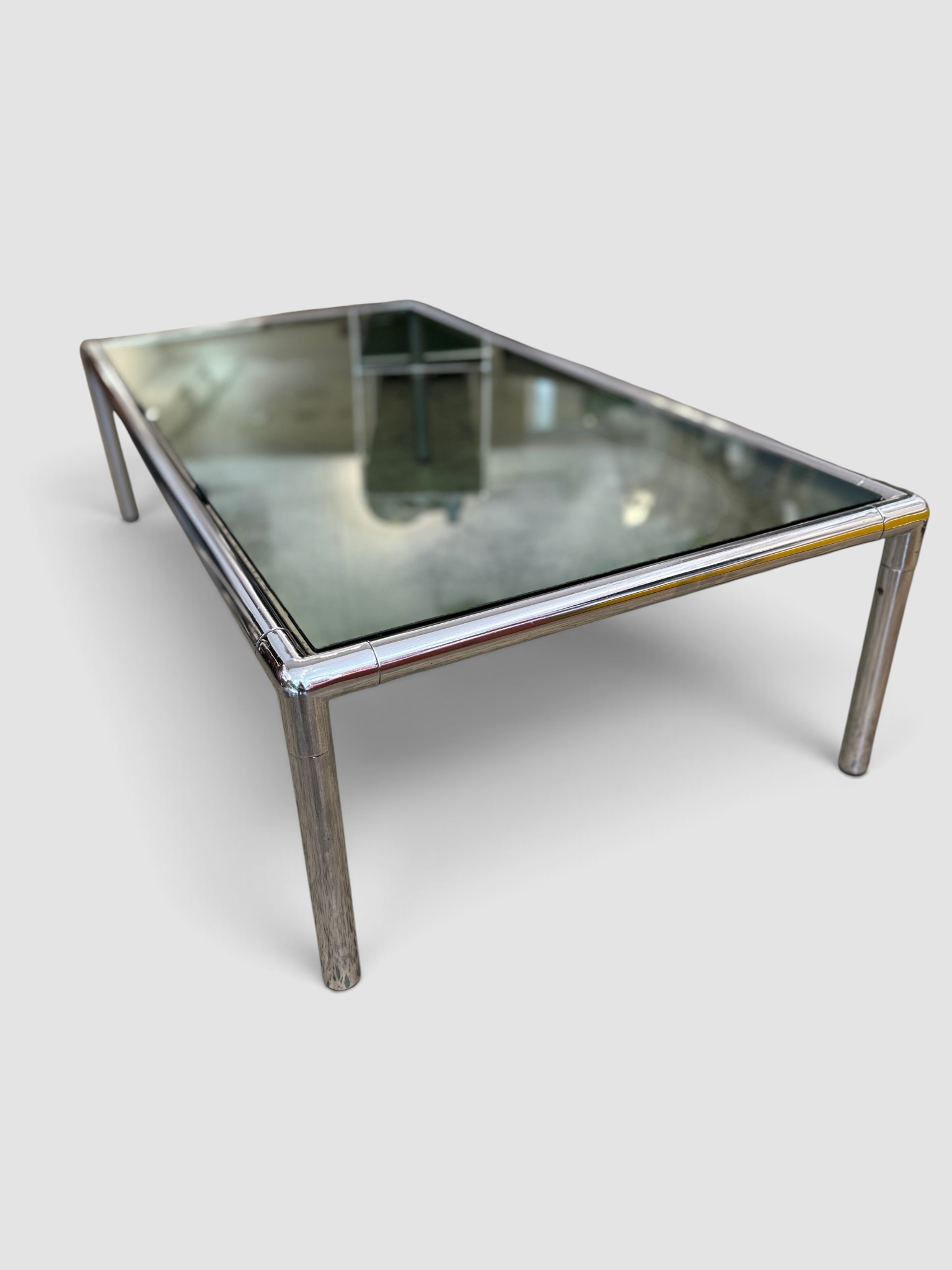 Image 3 of 7
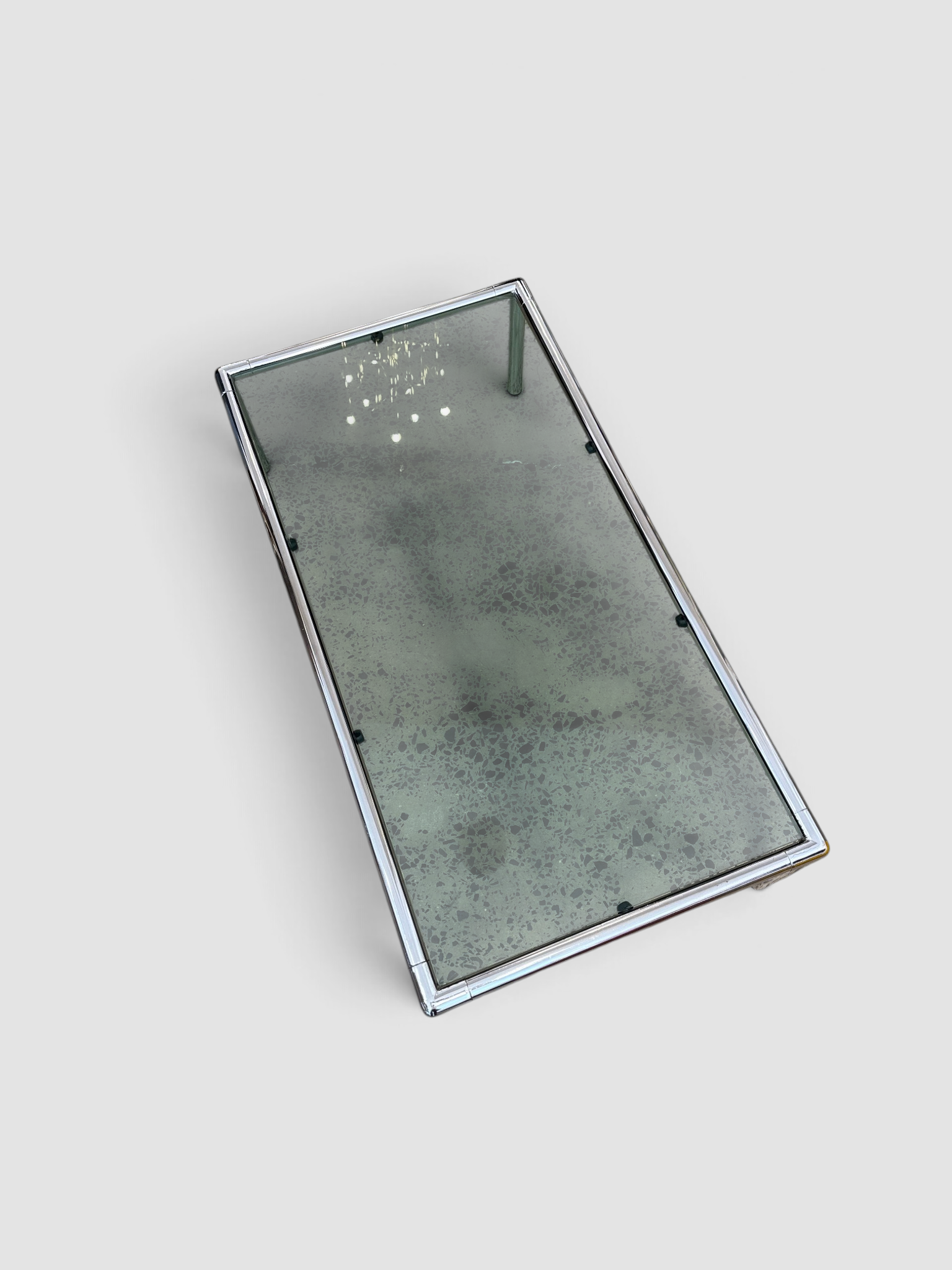 Image 4 of 7
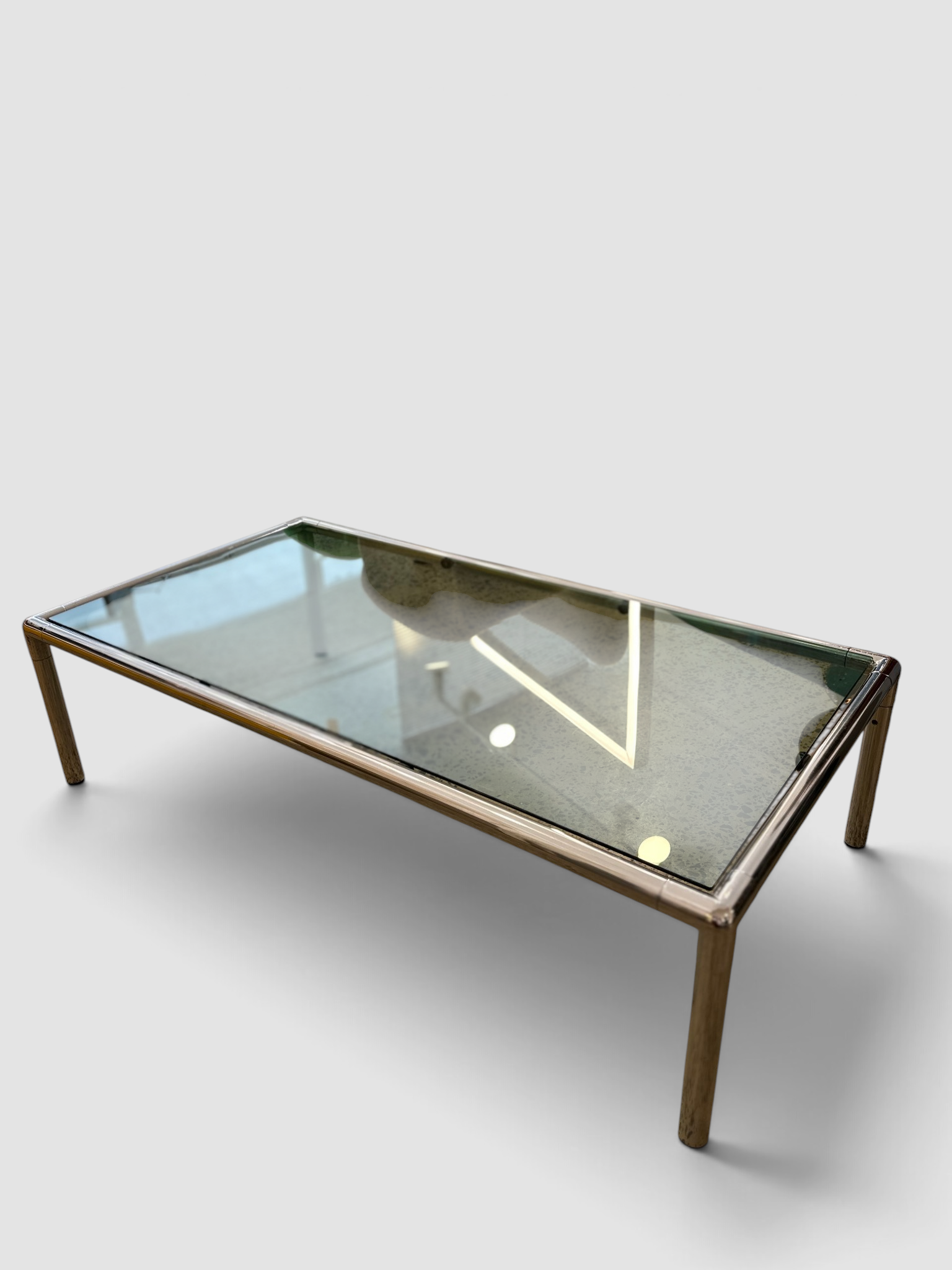 Image 5 of 7
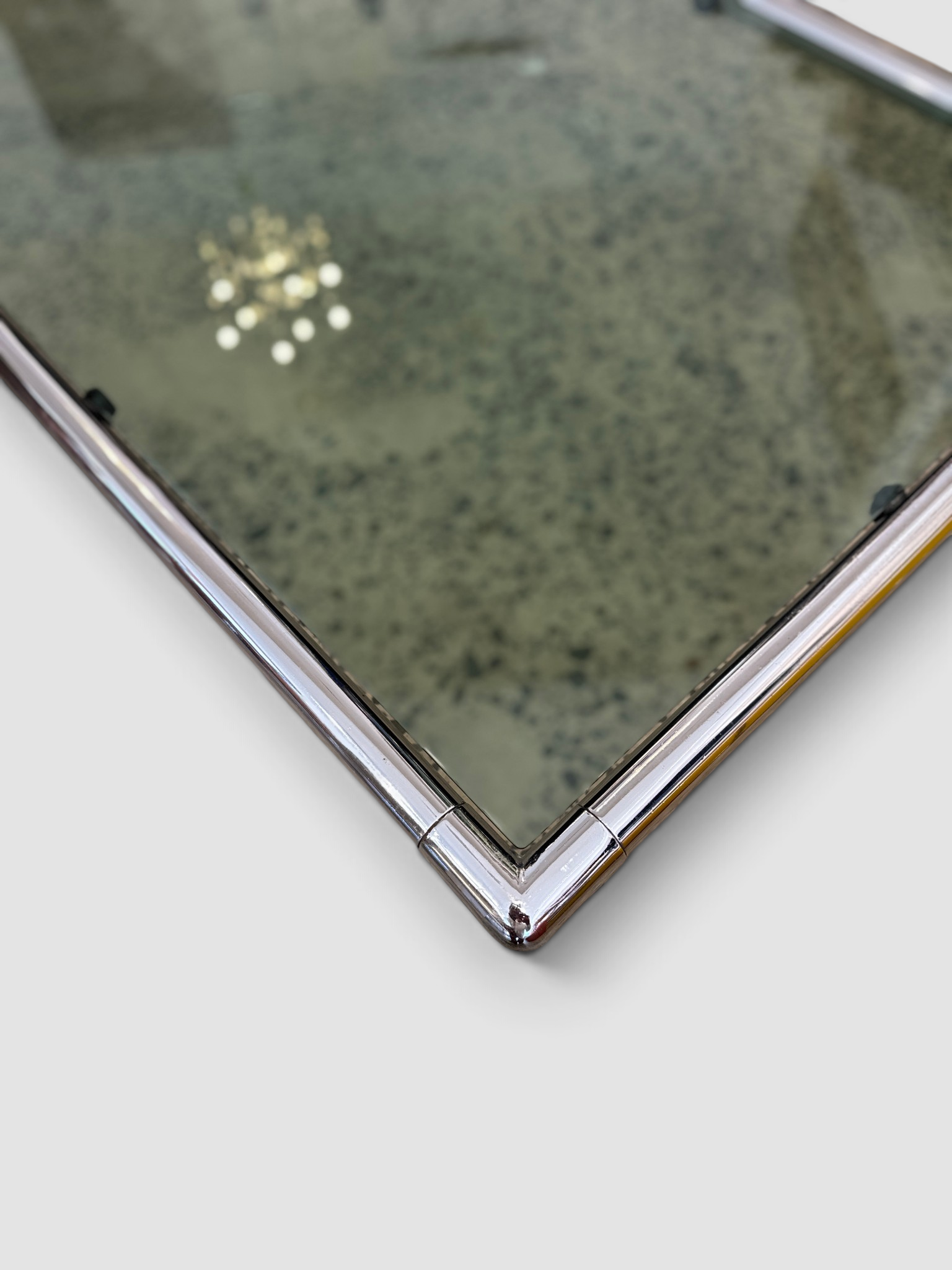 Image 6 of 7
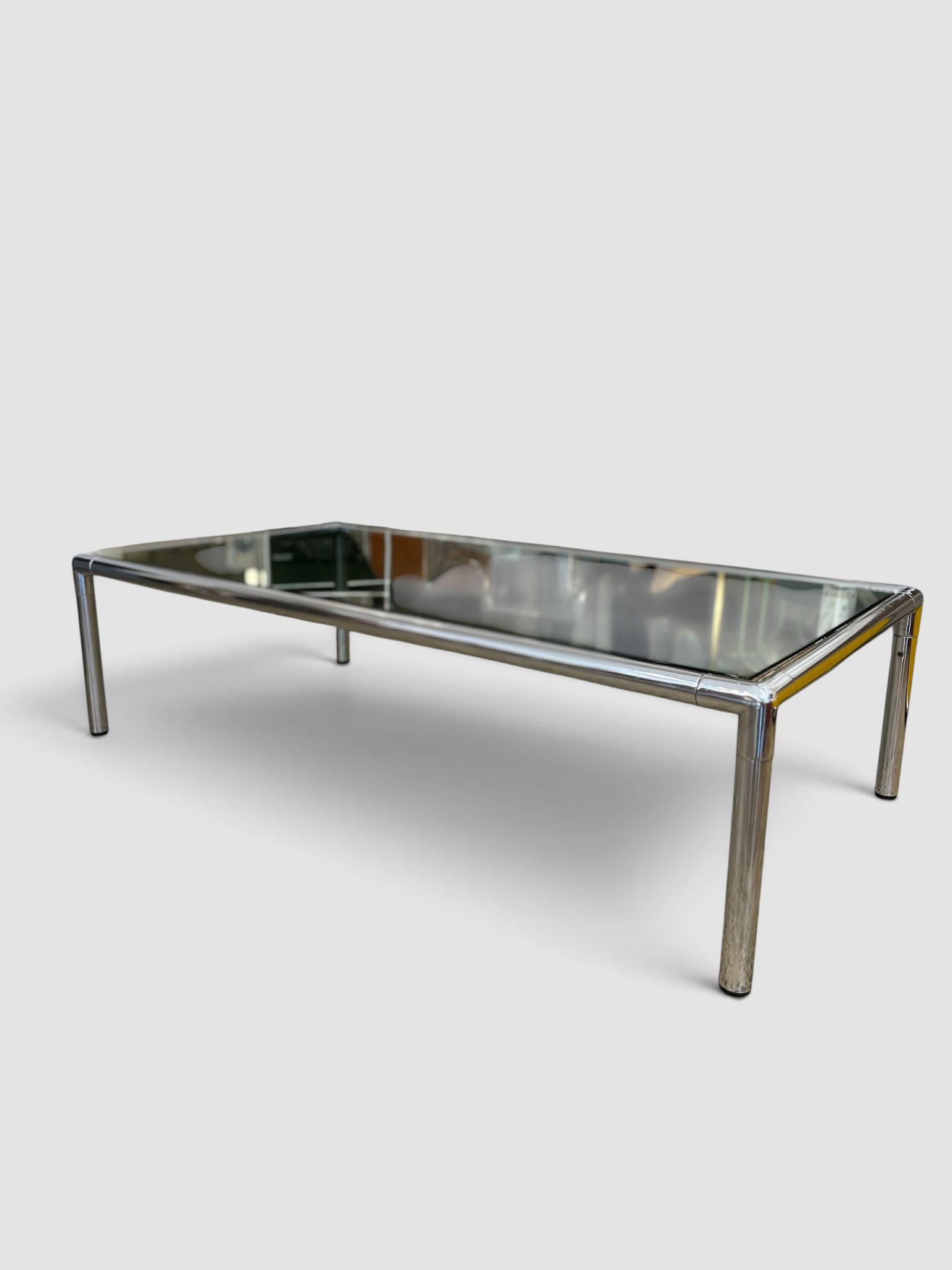 Image 7 of 7