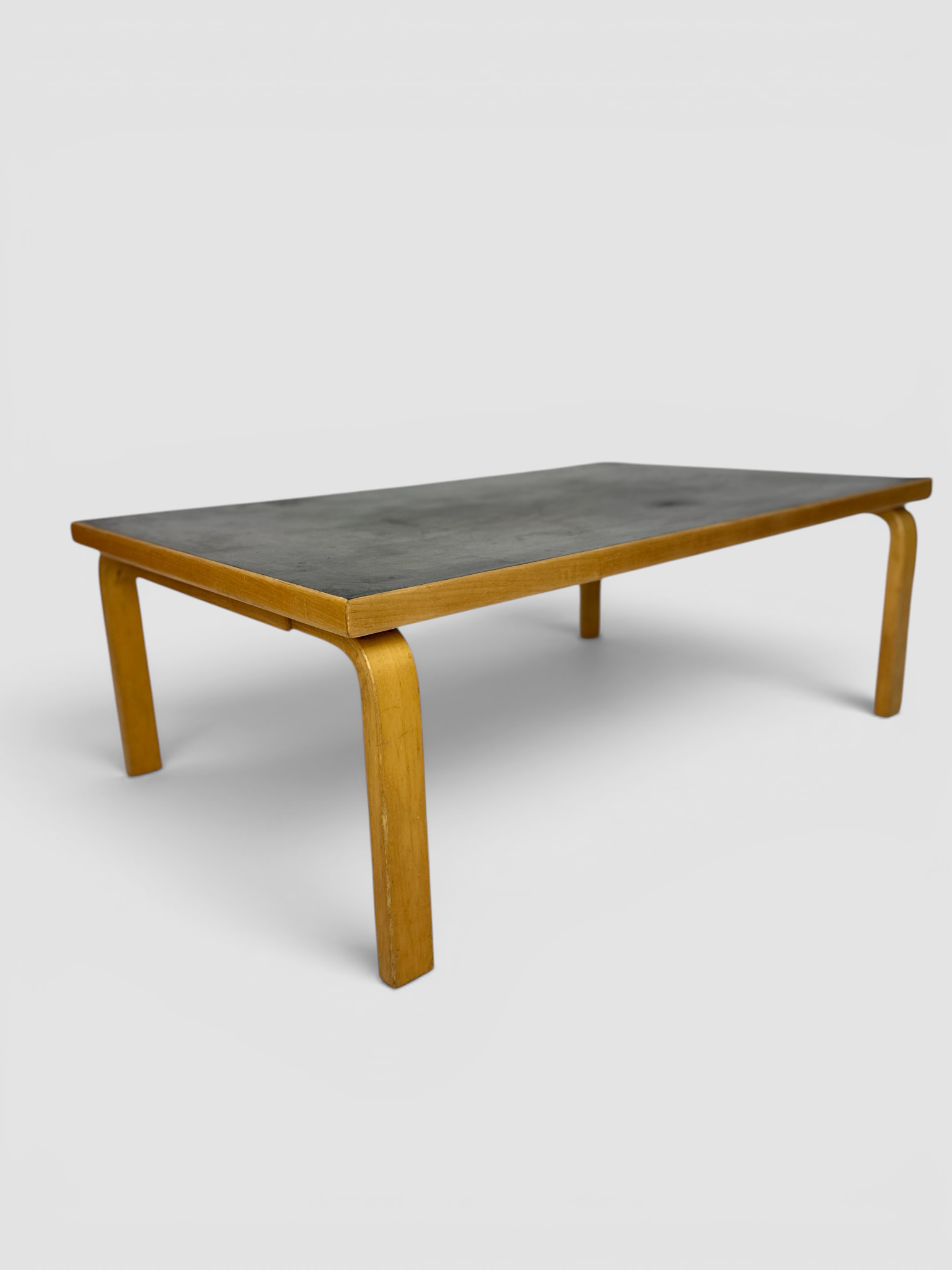
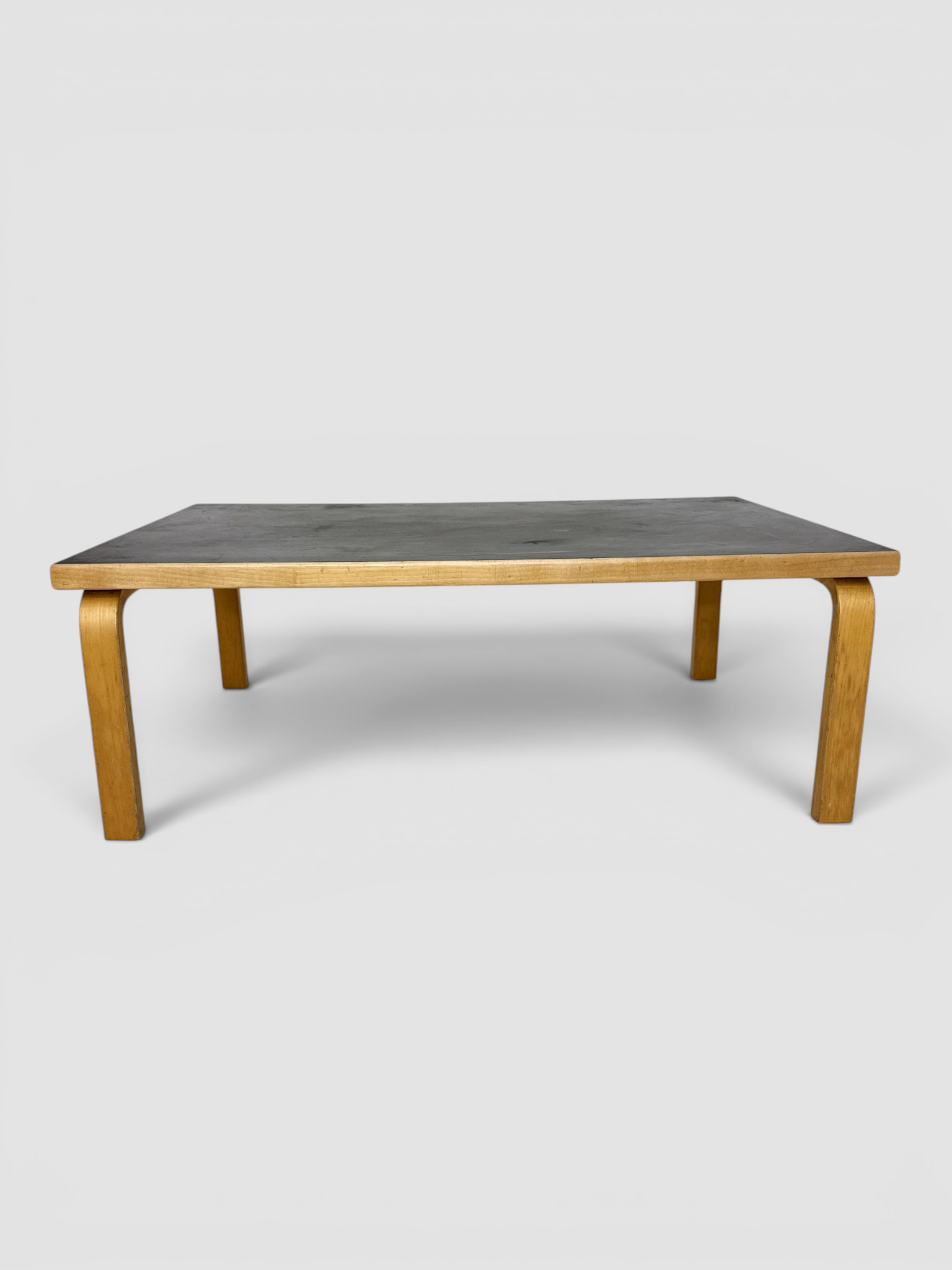
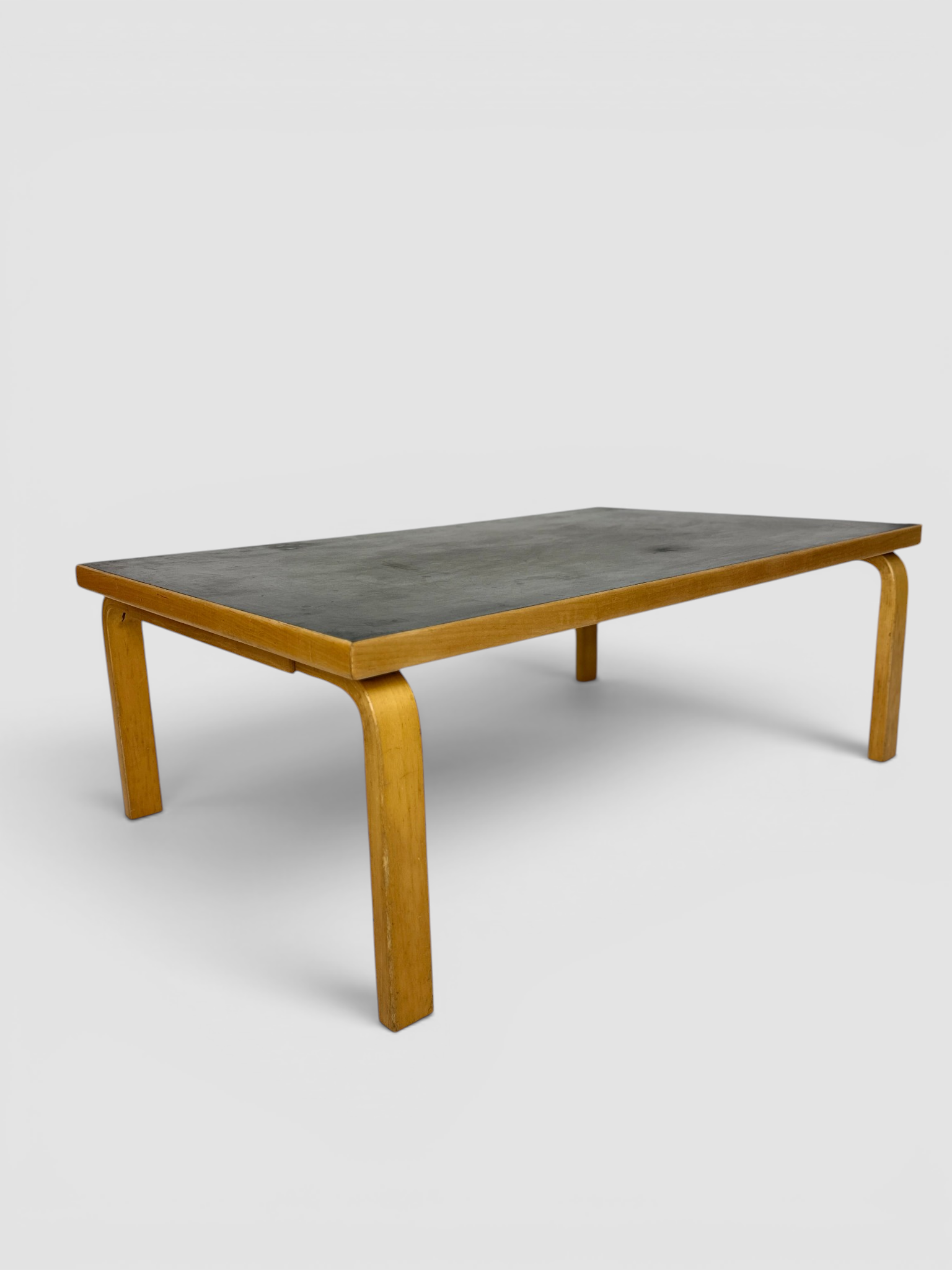
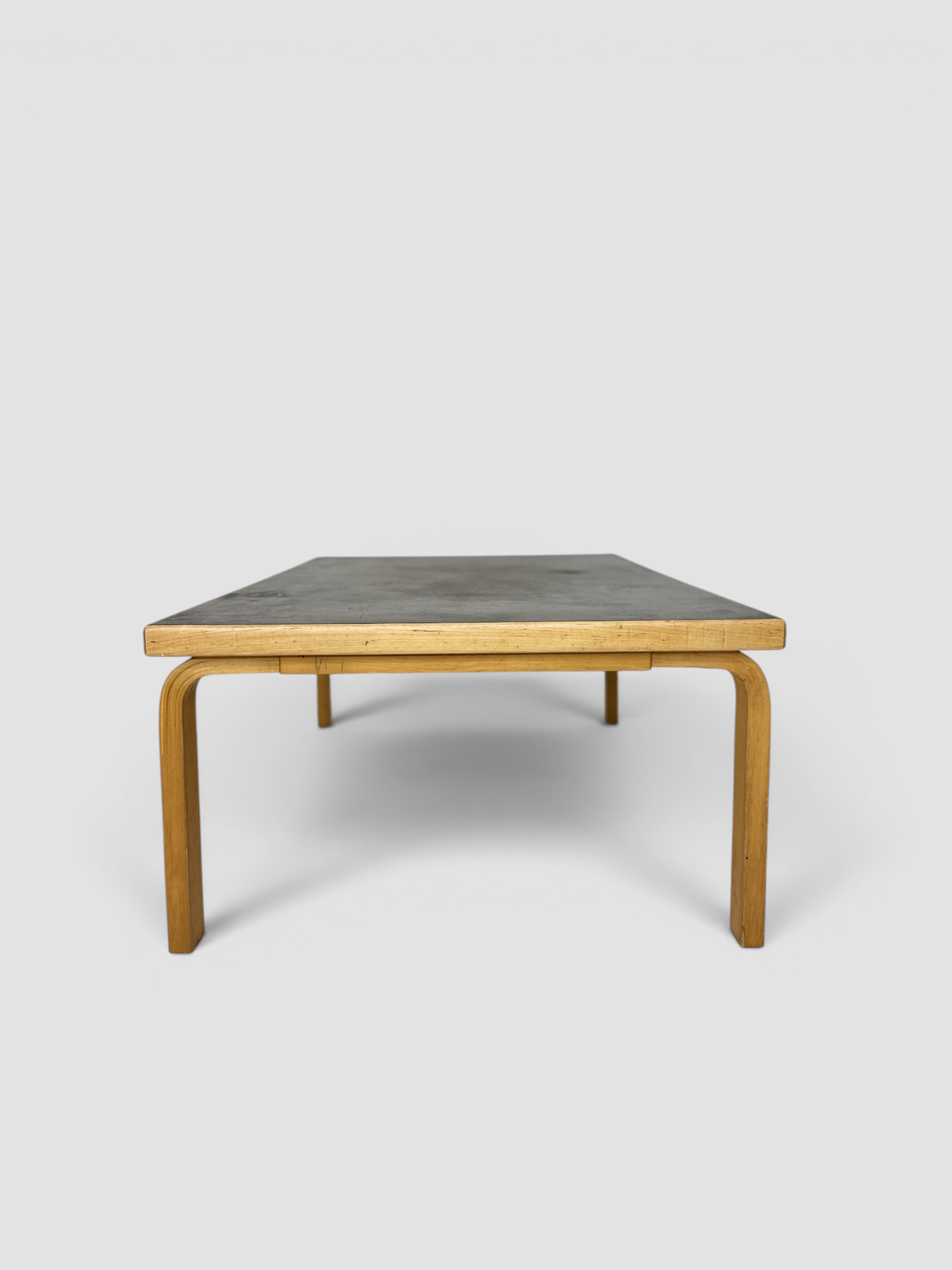
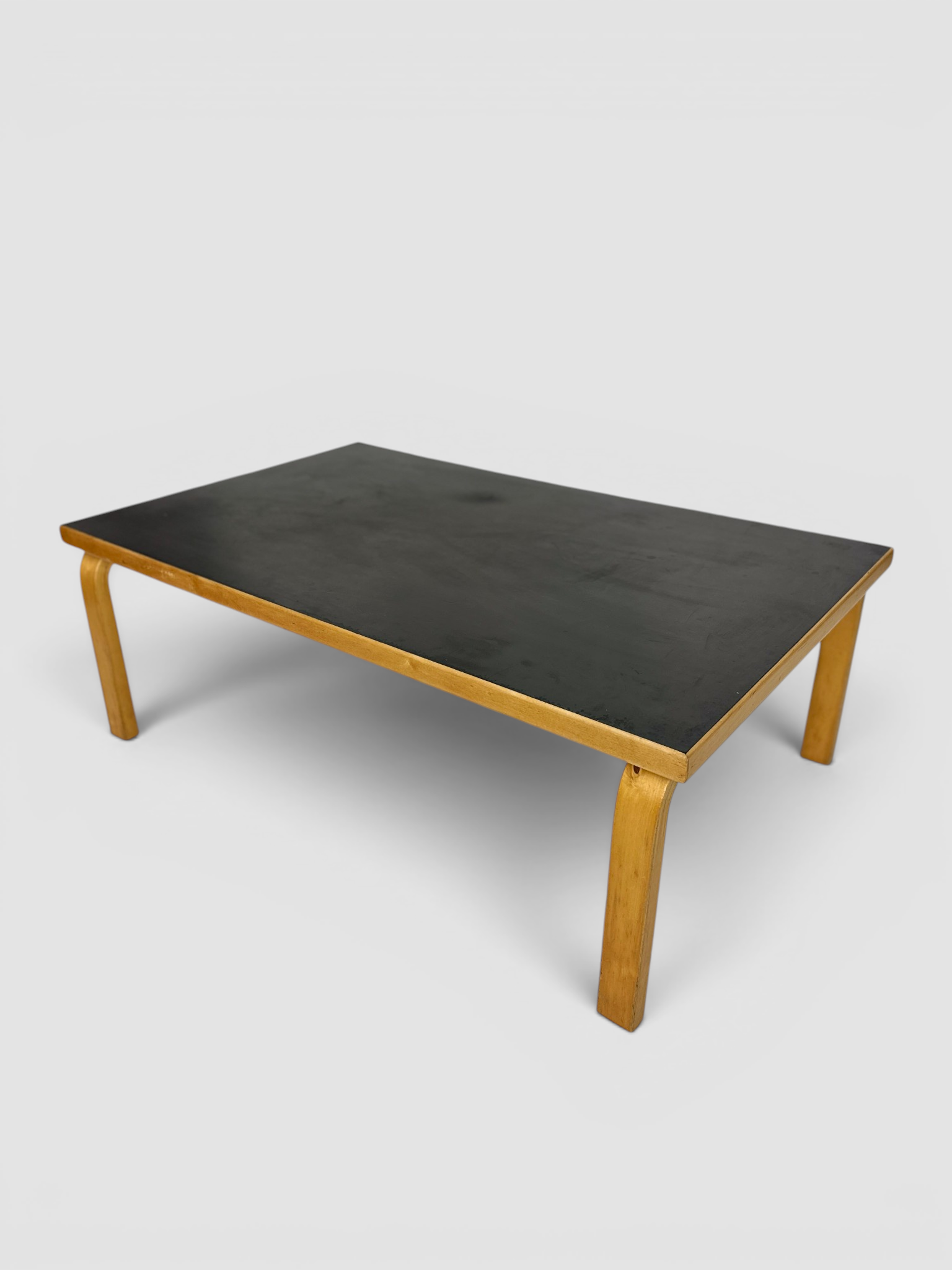
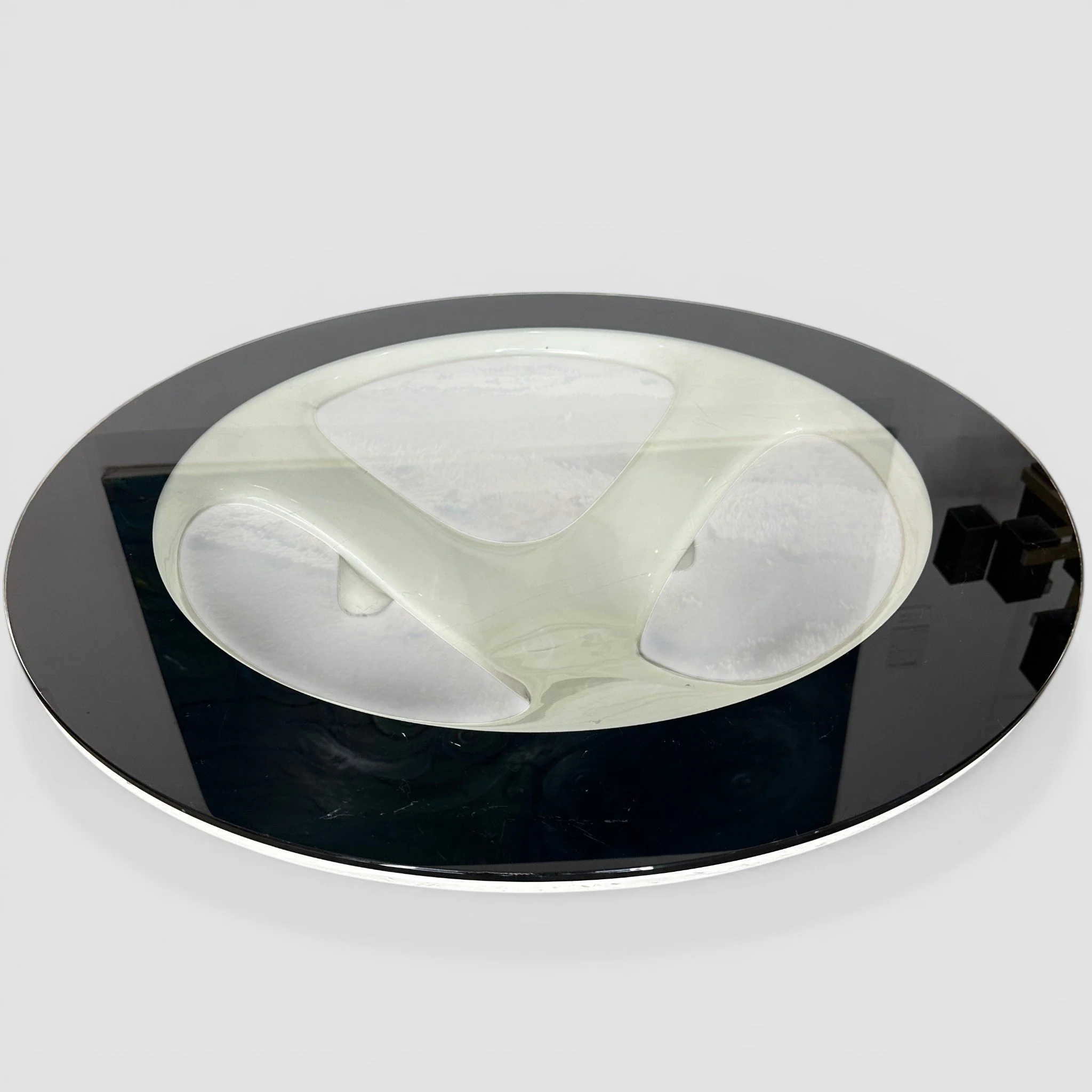
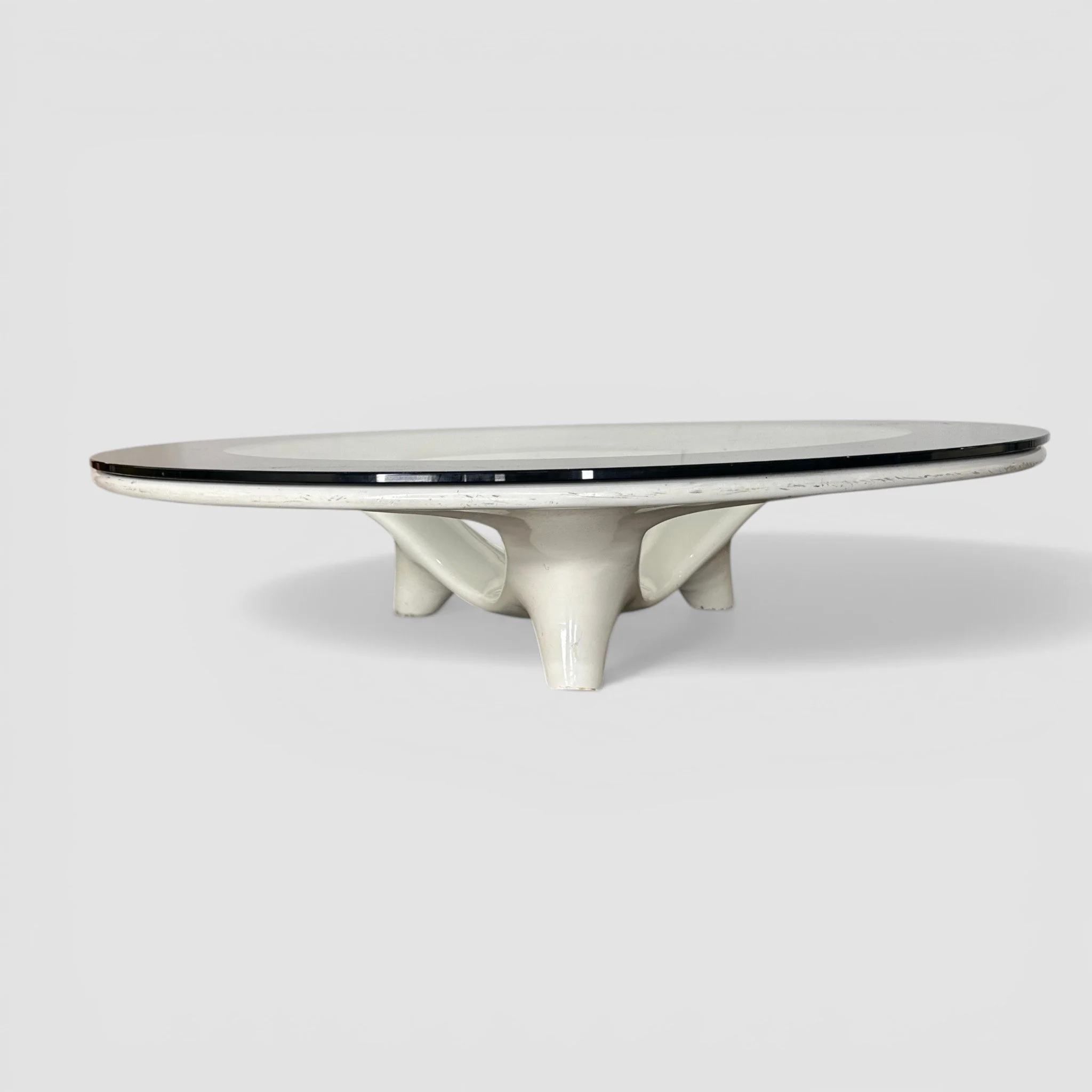
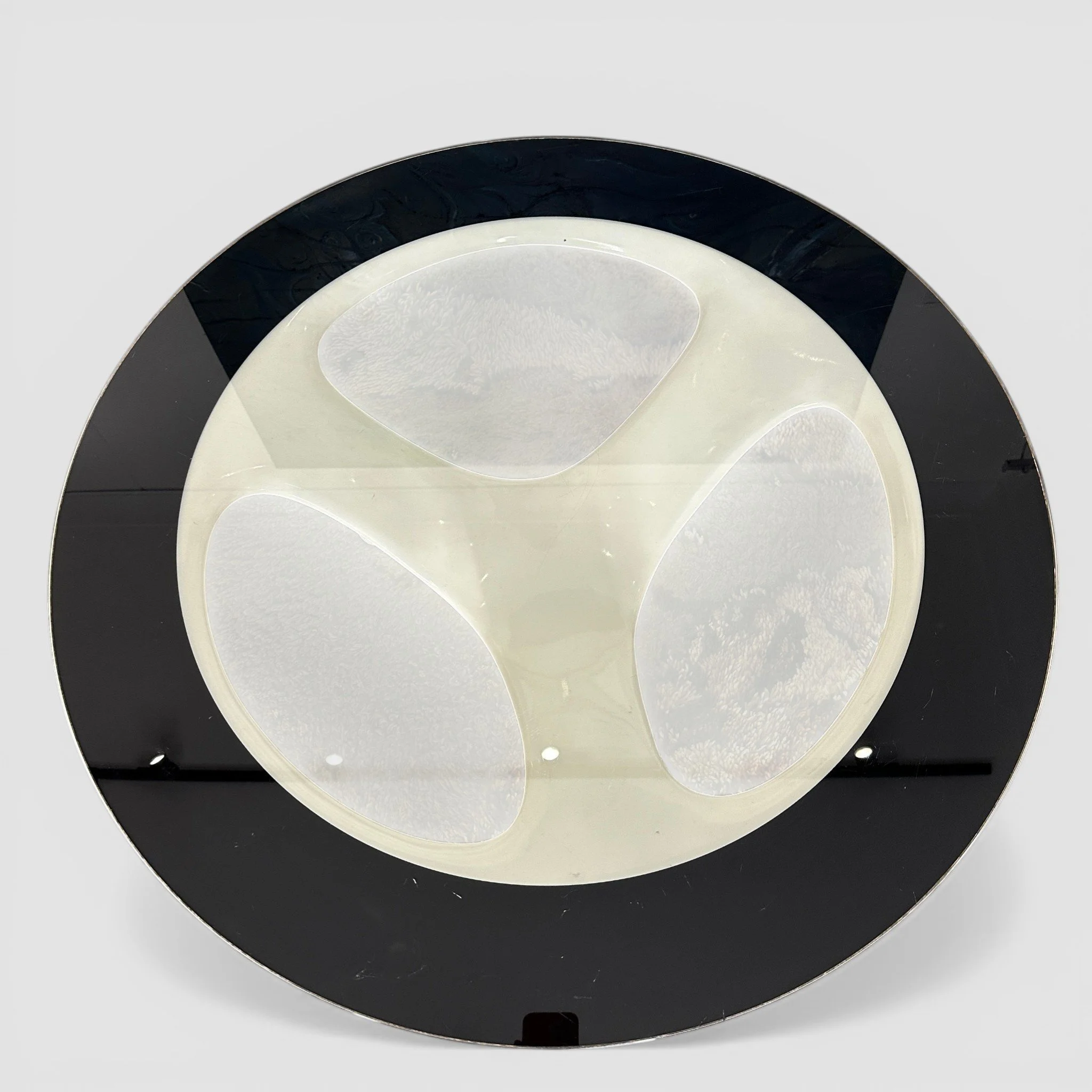
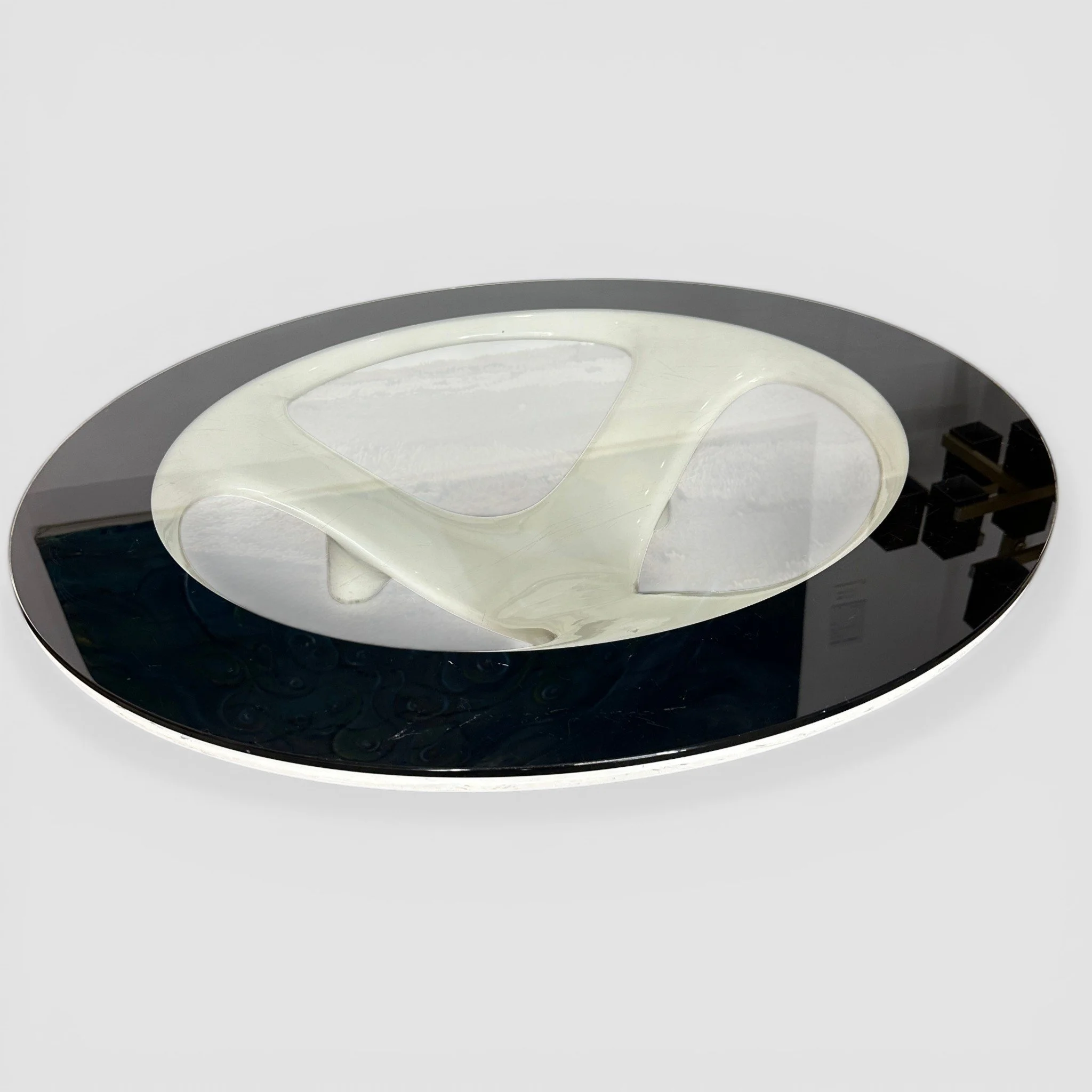
A set of three gorgeous chrome ‘Tractor’ stools designed by Rodney Kinsman for Bieffeplast (Italy) in the 1970s. In excellent vintage condition, the chrome presents beautifully and the chairs display a lovely light patina from age.
Sold as a set of three, these stools are a dynamic design for the 1970s and an excellent example of Bieffeplast’s collectible productions.
Dimensions: 70cm high x 42cm wide x 42cm deep
Available to view at our Surry Hills store and please contact us should you have any questions about these or any of our available pieces.
Rodney Kinsman
Rodney Kinsman, born in London in 1943, is a celebrated British furniture designer known for his innovative use of industrial materials and modernist aesthetics. He studied at the Central School of Art and Design, graduating in 1965, and soon after co-founded OMK Design in 1966 alongside Jurek Olejnik and Bryan Morrison. OMK focused on creating functional, modern furniture suitable for mass production, marking Kinsman as a key figure in post-war British design.
Kinsman gained early recognition through his collaborations with Habitat, the influential retail chain founded by Terence Conran. His “F Range” of the 1960s featured bold foam-and-vinyl forms suited to the youthful, modern market. He later created the iconic “Omstak” chair in 1971—made from perforated sheet steel—an enduring design that blended style with practicality and became a hallmark of his industrial design approach.
Throughout the 1980s and beyond, Kinsman continued to produce innovative furniture, including the wall-leaning “Graffiti” shelving system and the “Transit” airport seating, used in terminals worldwide. His contributions earned him significant accolades, including Royal Designer for Industry and Honorary Fellow of the Royal College of Art. Kinsman’s legacy lies in his ability to fuse minimalism with utility, shaping public and domestic spaces alike with his clean, modern designs.
Bieffeplast
Bieffeplast was an Italian design company based in Padua, Italy, originally founded as Bieffe in 1953 by Bruno Ferrarese. The company relocated its headquarters to Caselle di Selvazzano Dentro in 1958 and introduced the Bieffeplast brand in 1972. It became known for producing iconic modernist furniture and accessories through collaborations with designers like Joe Colombo, Ettore Sottsass, and Rodney Kinsman. Bieffeplast ceased operations in 1999, and in 2001, Emme Italia moved into its former premises, continuing a legacy of technical furniture manufacturing.
Vintage Condition Disclaimer
All vintage and second-hand items are sold as-is. Due to their age and prior use, these pieces may display signs of wear such as minor marks, patina, surface imperfections, or variations consistent with their history. These characteristics are considered part of the item’s authenticity and charm.
While we take care to accurately describe and photograph each piece, variations and imperfections should be expected. By purchasing a vintage item, the buyer acknowledges and accepts its pre-owned condition. All sales of vintage items are final.
A set of three gorgeous chrome ‘Tractor’ stools designed by Rodney Kinsman for Bieffeplast (Italy) in the 1970s. In excellent vintage condition, the chrome presents beautifully and the chairs display a lovely light patina from age.
Sold as a set of three, these stools are a dynamic design for the 1970s and an excellent example of Bieffeplast’s collectible productions.
Dimensions: 70cm high x 42cm wide x 42cm deep
Available to view at our Surry Hills store and please contact us should you have any questions about these or any of our available pieces.
Rodney Kinsman
Rodney Kinsman, born in London in 1943, is a celebrated British furniture designer known for his innovative use of industrial materials and modernist aesthetics. He studied at the Central School of Art and Design, graduating in 1965, and soon after co-founded OMK Design in 1966 alongside Jurek Olejnik and Bryan Morrison. OMK focused on creating functional, modern furniture suitable for mass production, marking Kinsman as a key figure in post-war British design.
Kinsman gained early recognition through his collaborations with Habitat, the influential retail chain founded by Terence Conran. His “F Range” of the 1960s featured bold foam-and-vinyl forms suited to the youthful, modern market. He later created the iconic “Omstak” chair in 1971—made from perforated sheet steel—an enduring design that blended style with practicality and became a hallmark of his industrial design approach.
Throughout the 1980s and beyond, Kinsman continued to produce innovative furniture, including the wall-leaning “Graffiti” shelving system and the “Transit” airport seating, used in terminals worldwide. His contributions earned him significant accolades, including Royal Designer for Industry and Honorary Fellow of the Royal College of Art. Kinsman’s legacy lies in his ability to fuse minimalism with utility, shaping public and domestic spaces alike with his clean, modern designs.
Bieffeplast
Bieffeplast was an Italian design company based in Padua, Italy, originally founded as Bieffe in 1953 by Bruno Ferrarese. The company relocated its headquarters to Caselle di Selvazzano Dentro in 1958 and introduced the Bieffeplast brand in 1972. It became known for producing iconic modernist furniture and accessories through collaborations with designers like Joe Colombo, Ettore Sottsass, and Rodney Kinsman. Bieffeplast ceased operations in 1999, and in 2001, Emme Italia moved into its former premises, continuing a legacy of technical furniture manufacturing.
Vintage Condition Disclaimer
All vintage and second-hand items are sold as-is. Due to their age and prior use, these pieces may display signs of wear such as minor marks, patina, surface imperfections, or variations consistent with their history. These characteristics are considered part of the item’s authenticity and charm.
While we take care to accurately describe and photograph each piece, variations and imperfections should be expected. By purchasing a vintage item, the buyer acknowledges and accepts its pre-owned condition. All sales of vintage items are final.


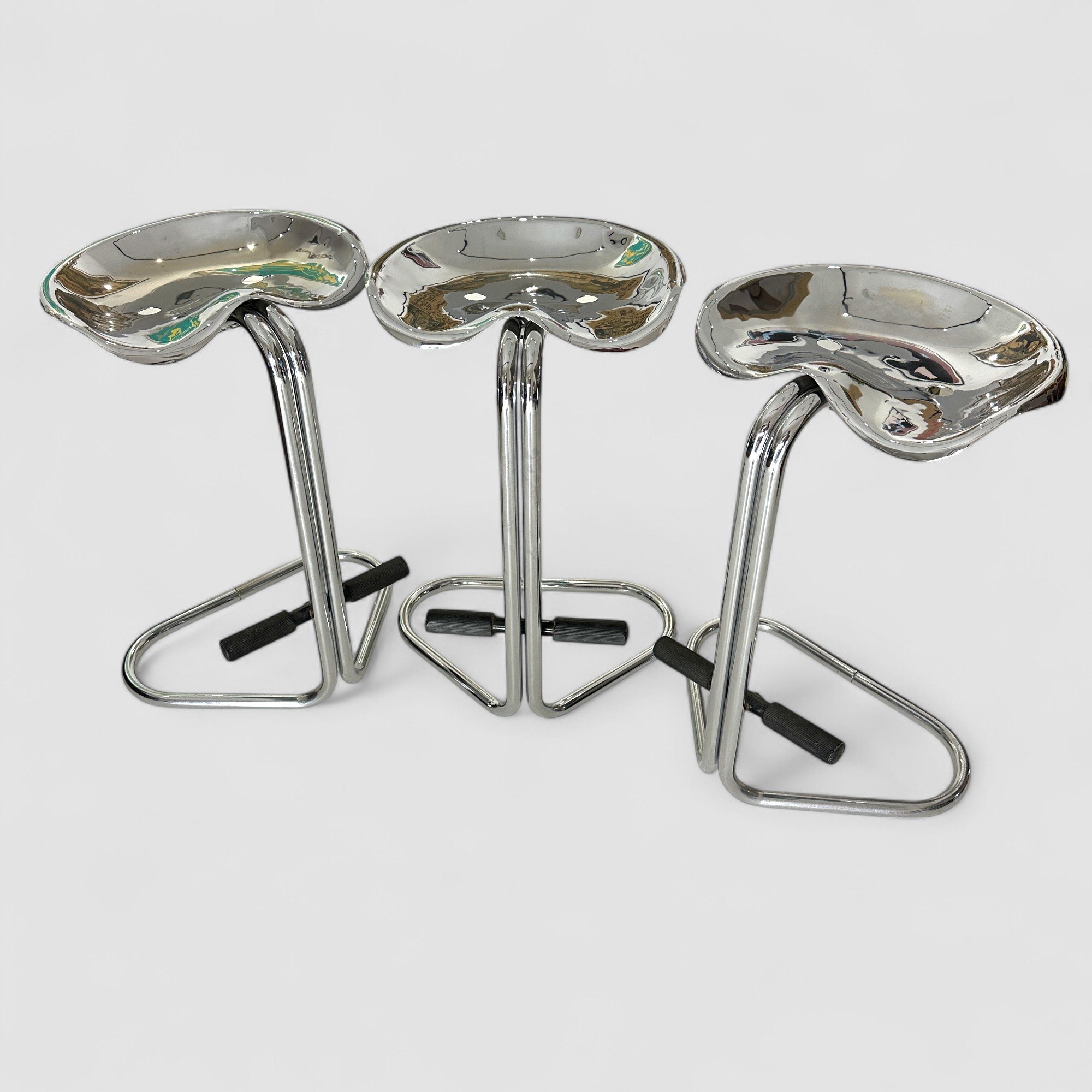 Image 1 of 12
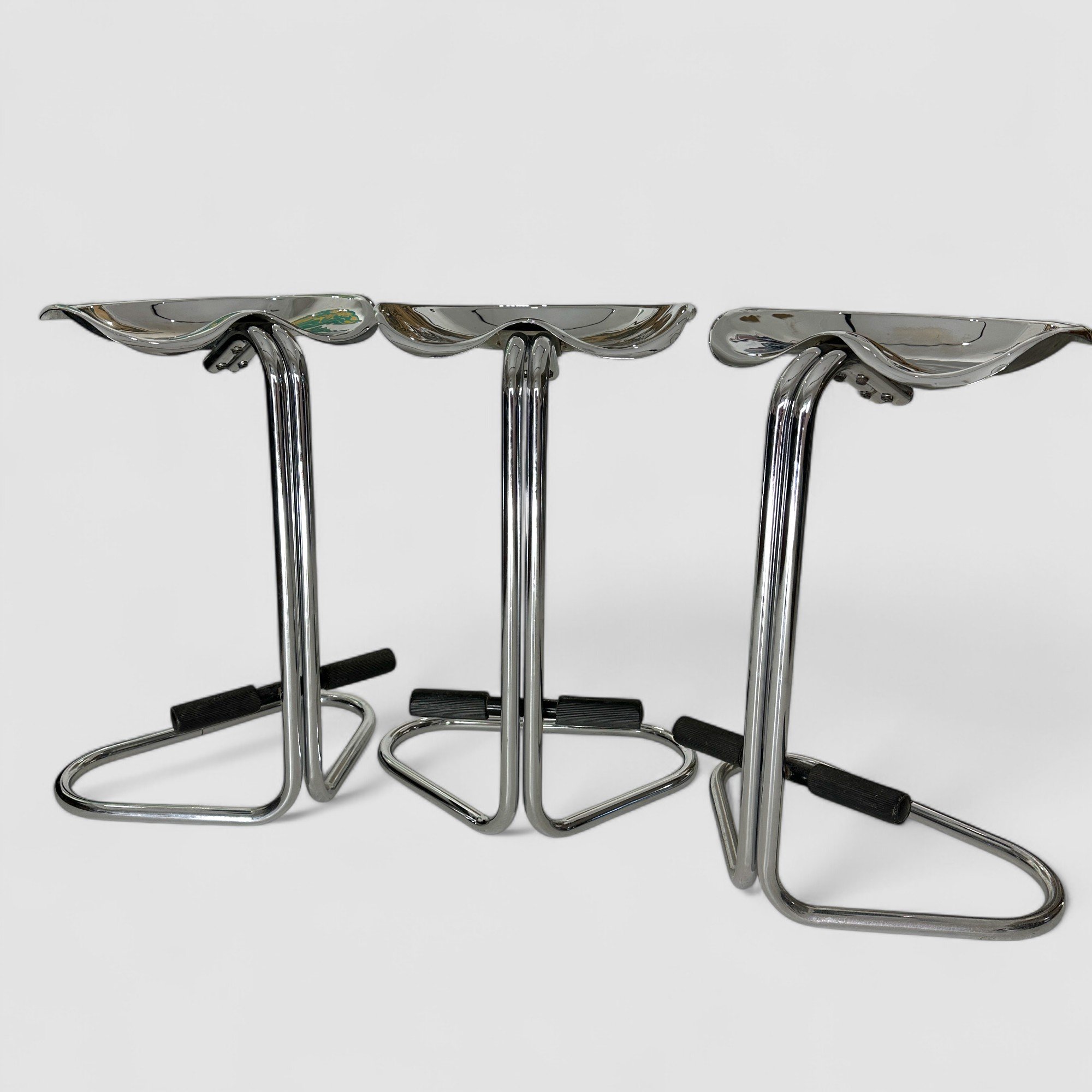 Image 2 of 12
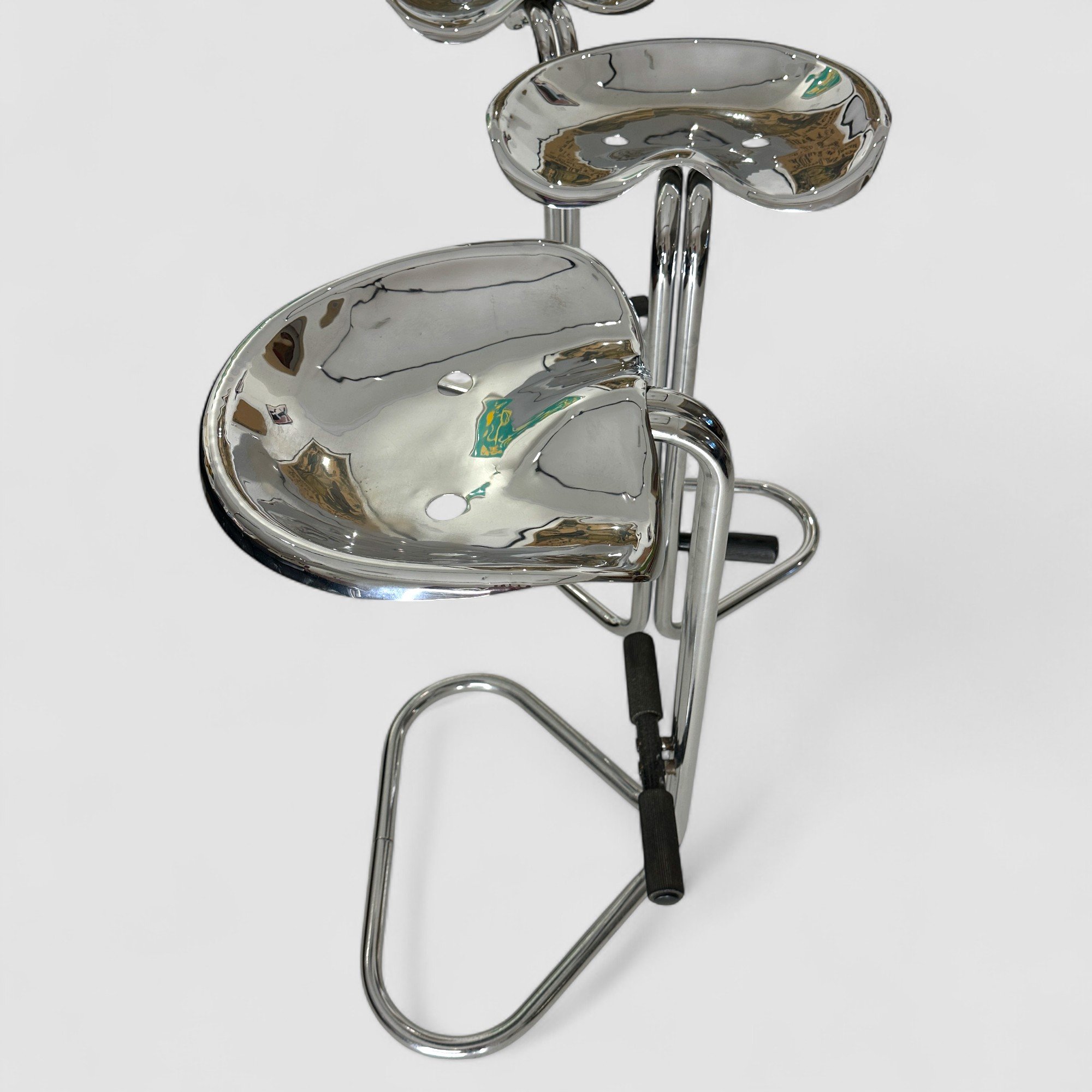 Image 3 of 12
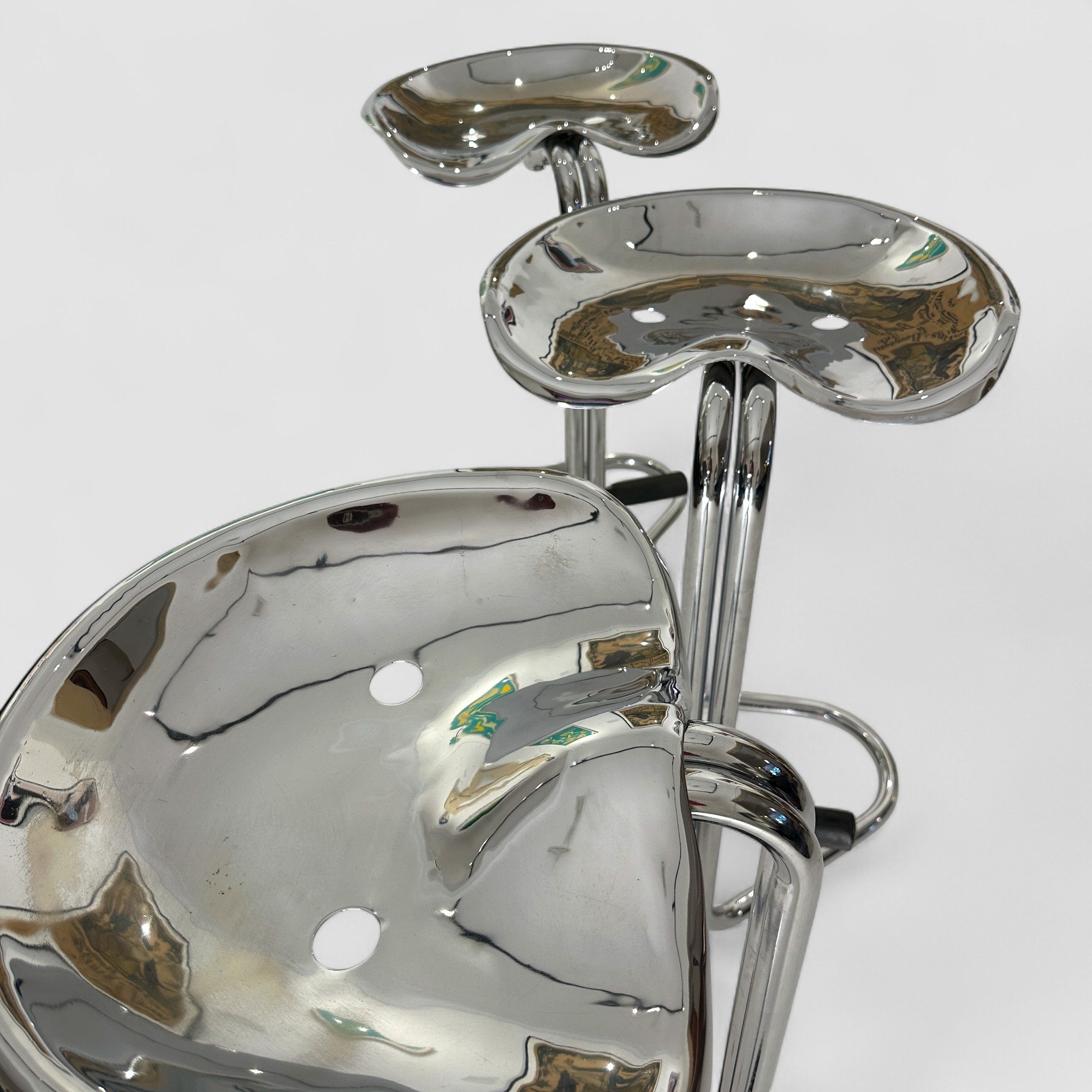 Image 4 of 12
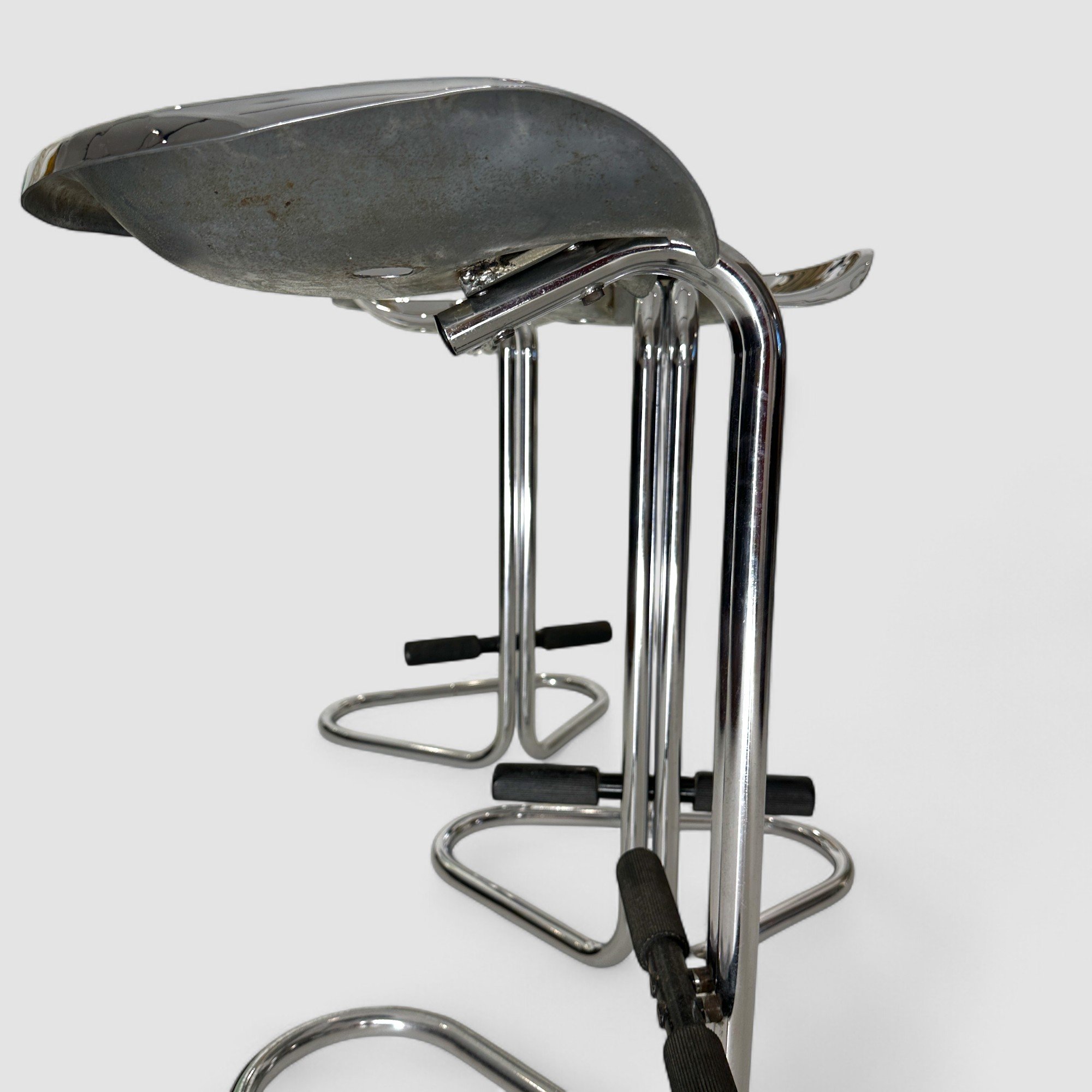 Image 5 of 12
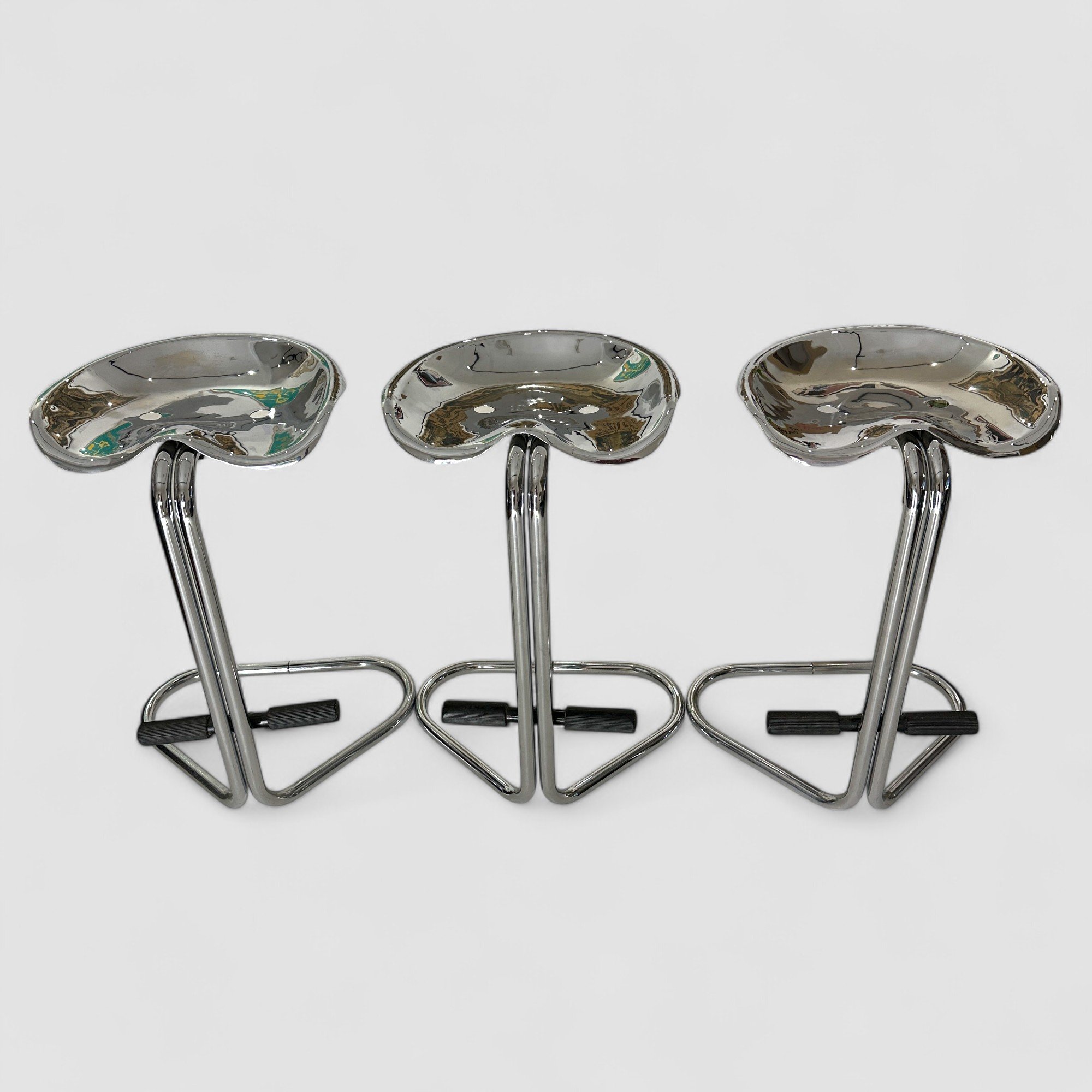 Image 6 of 12
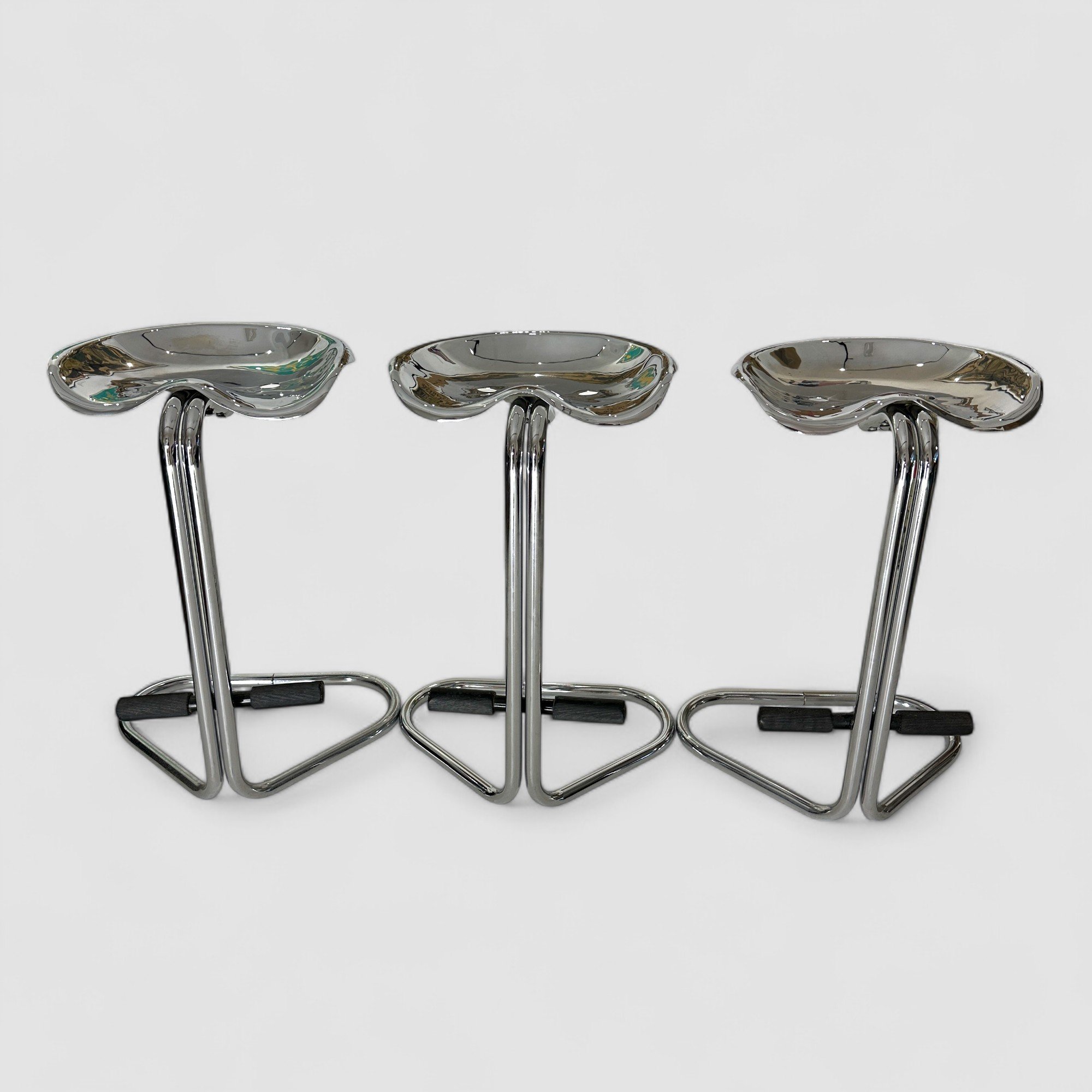 Image 7 of 12
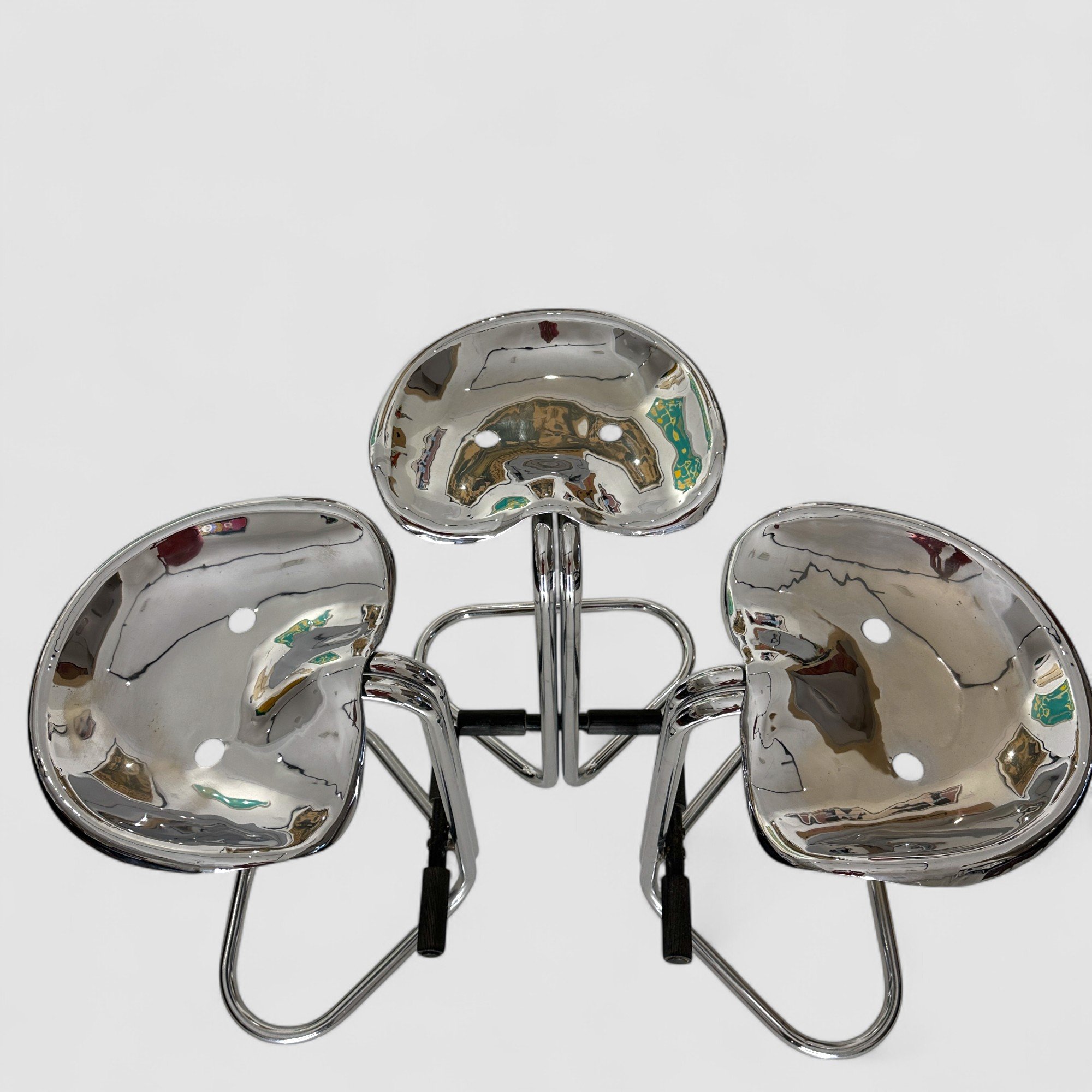 Image 8 of 12
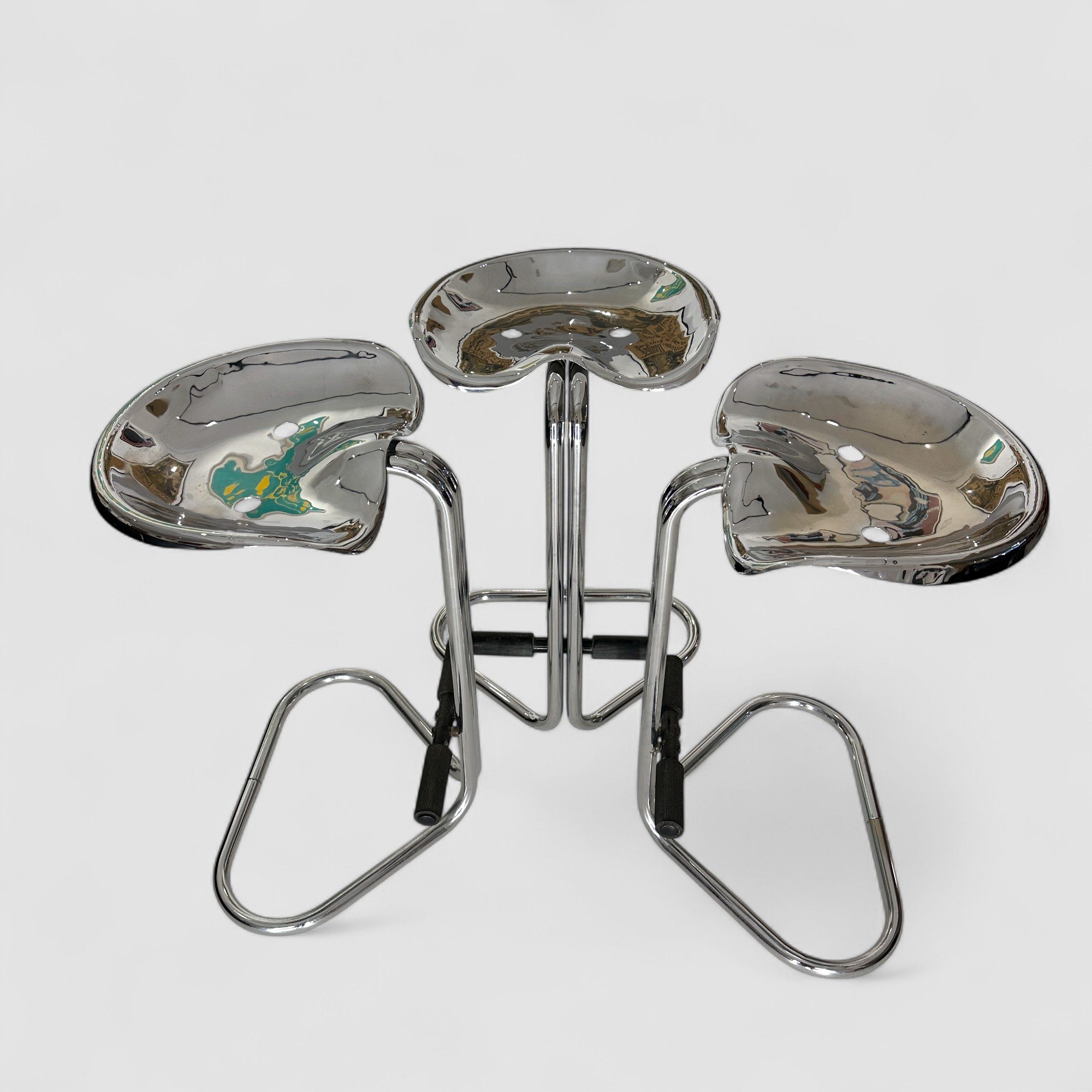 Image 9 of 12
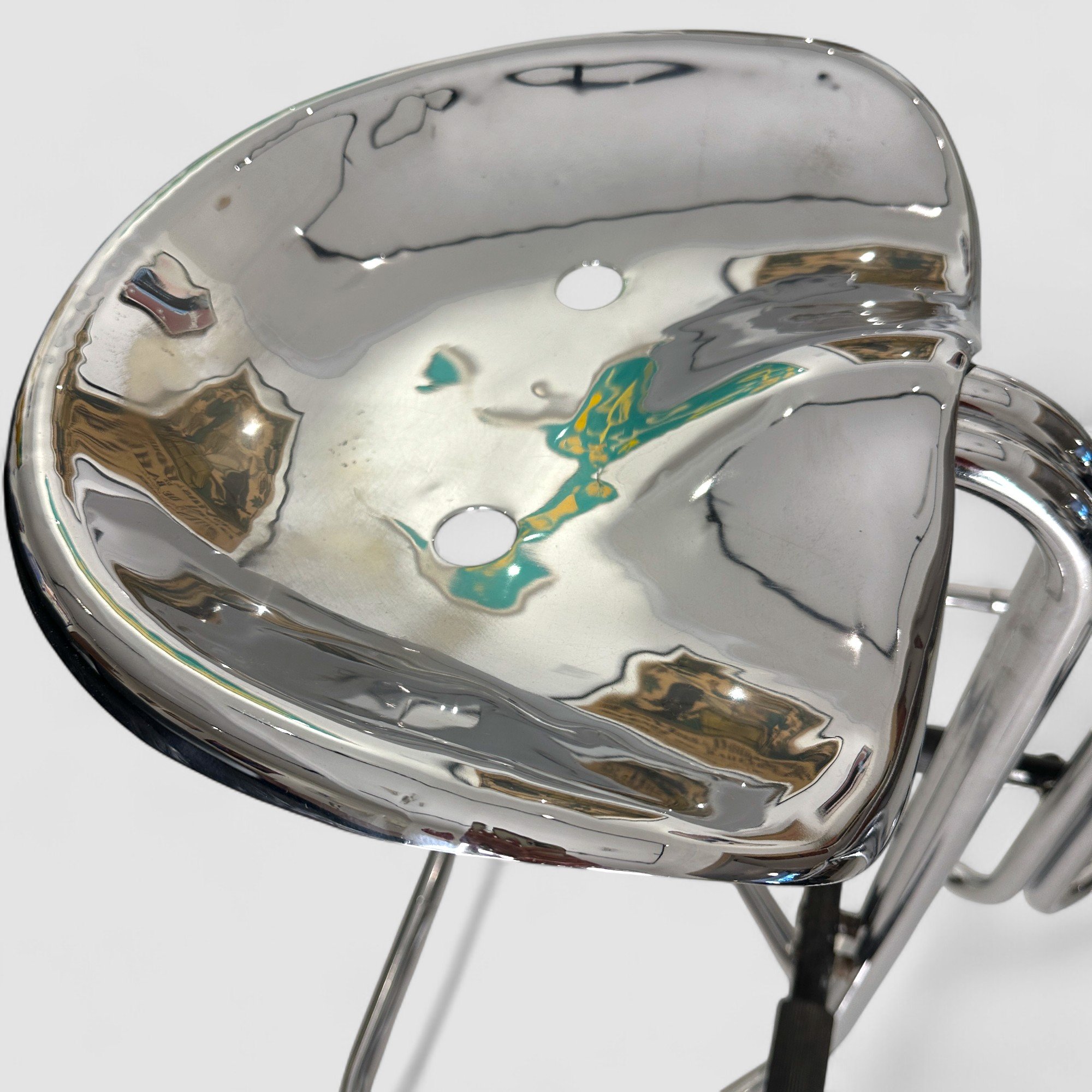 Image 10 of 12
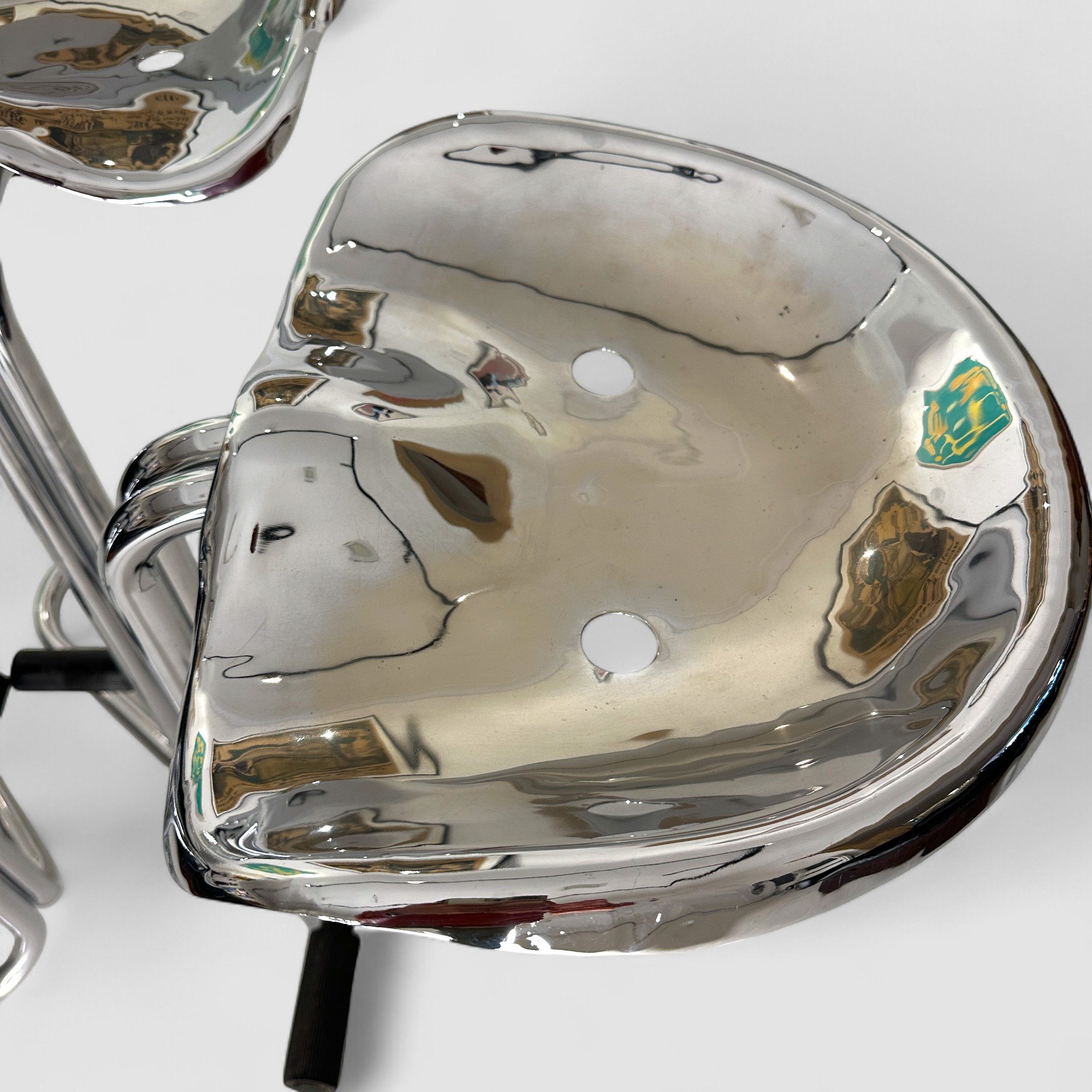 Image 11 of 12
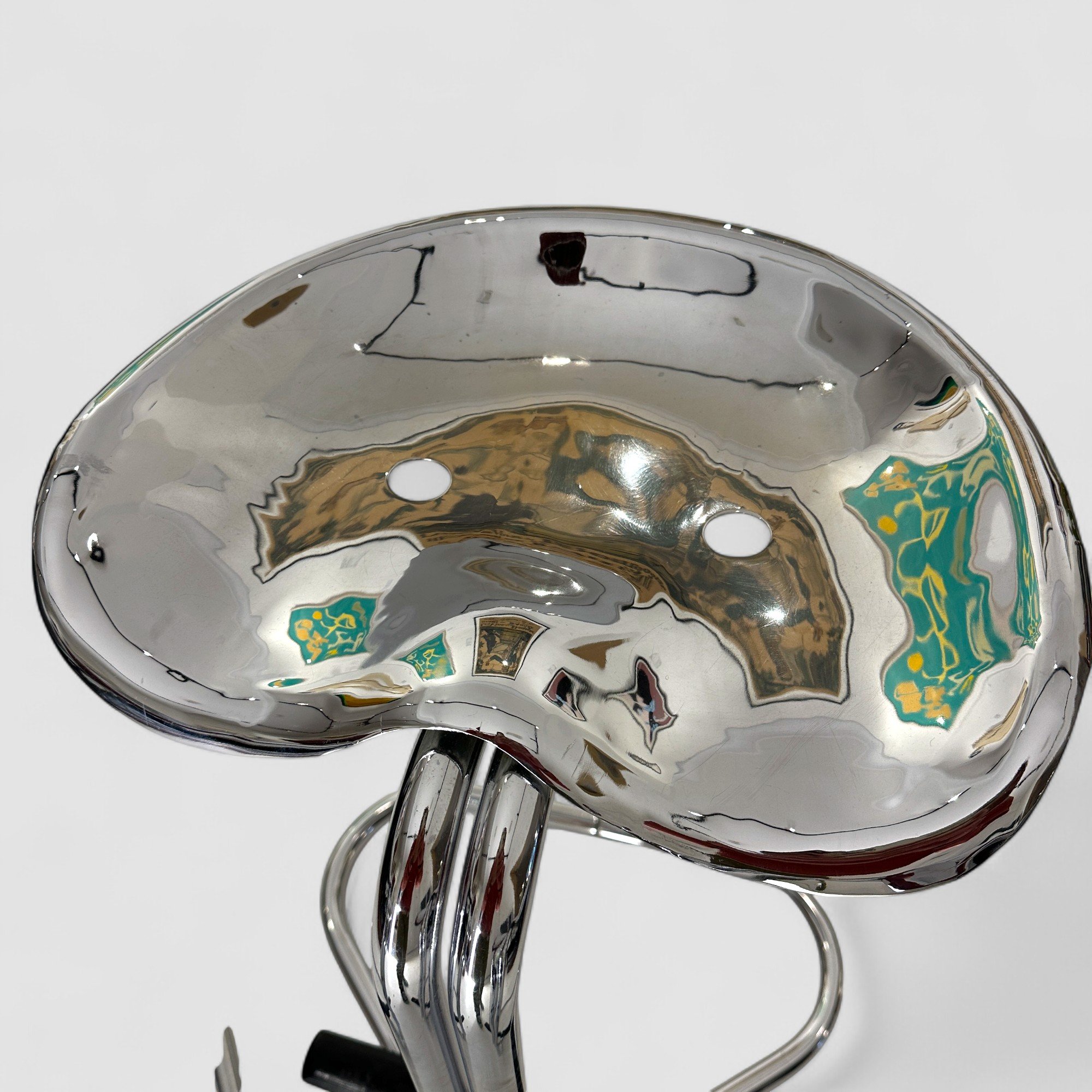 Image 12 of 12