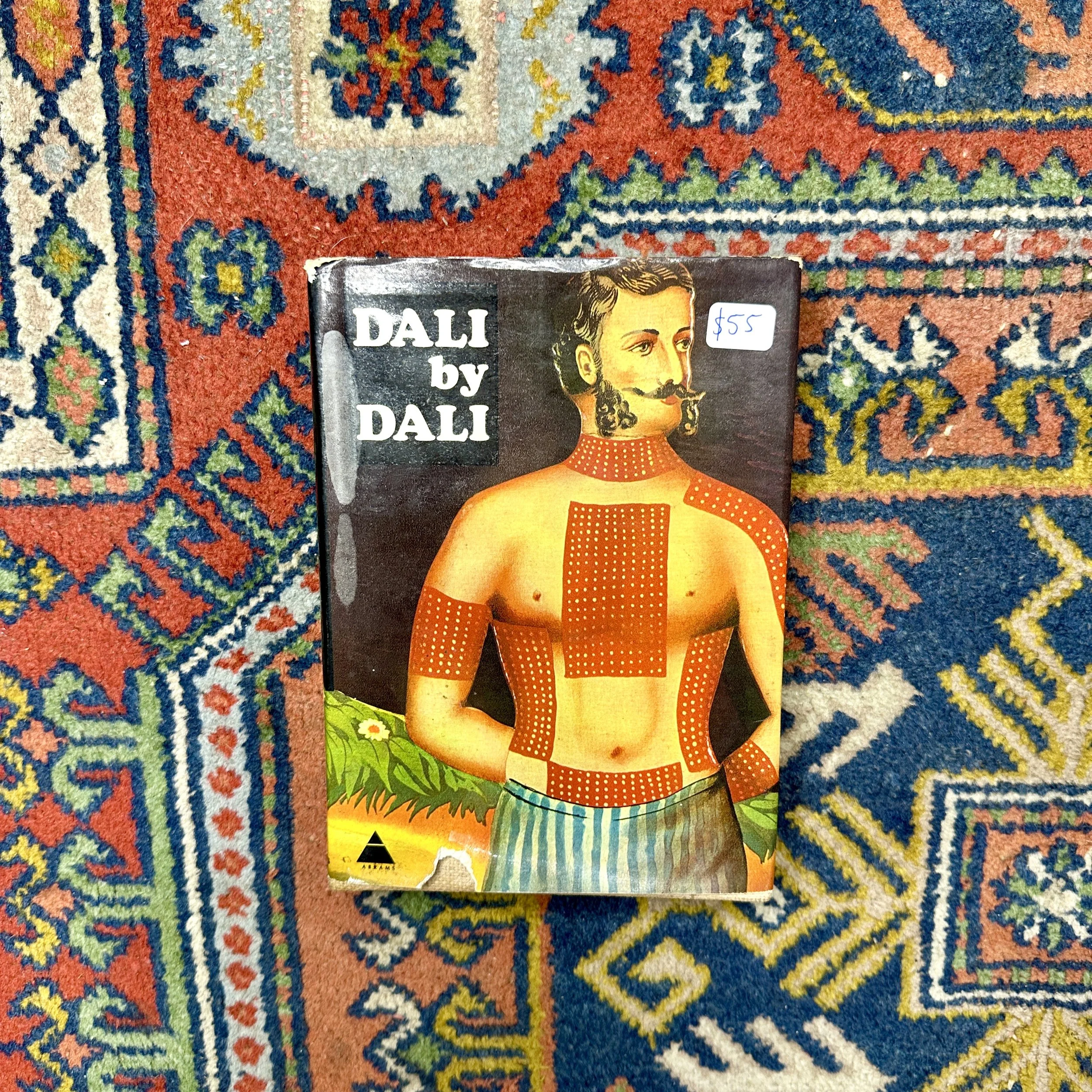
 Image 1 of 4
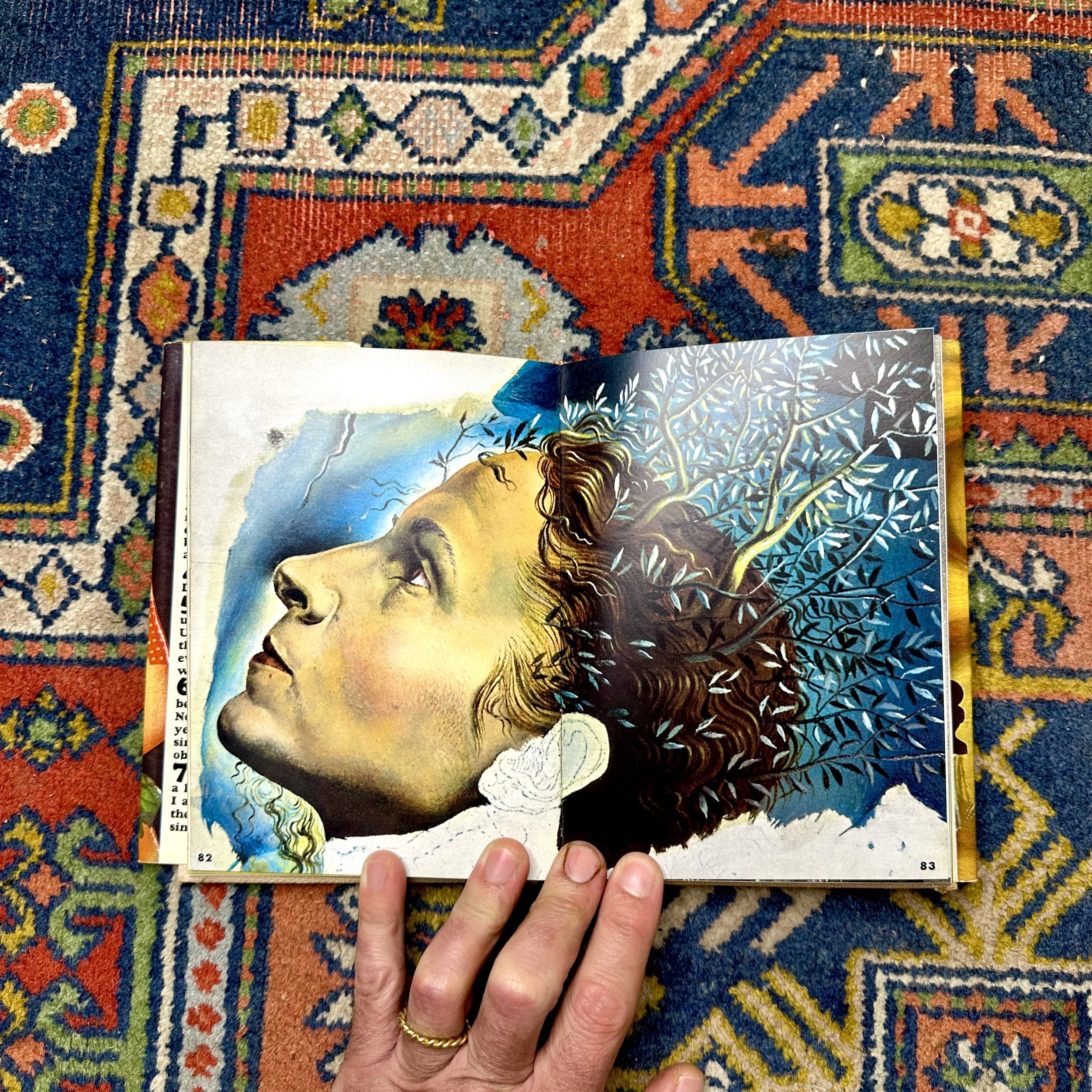
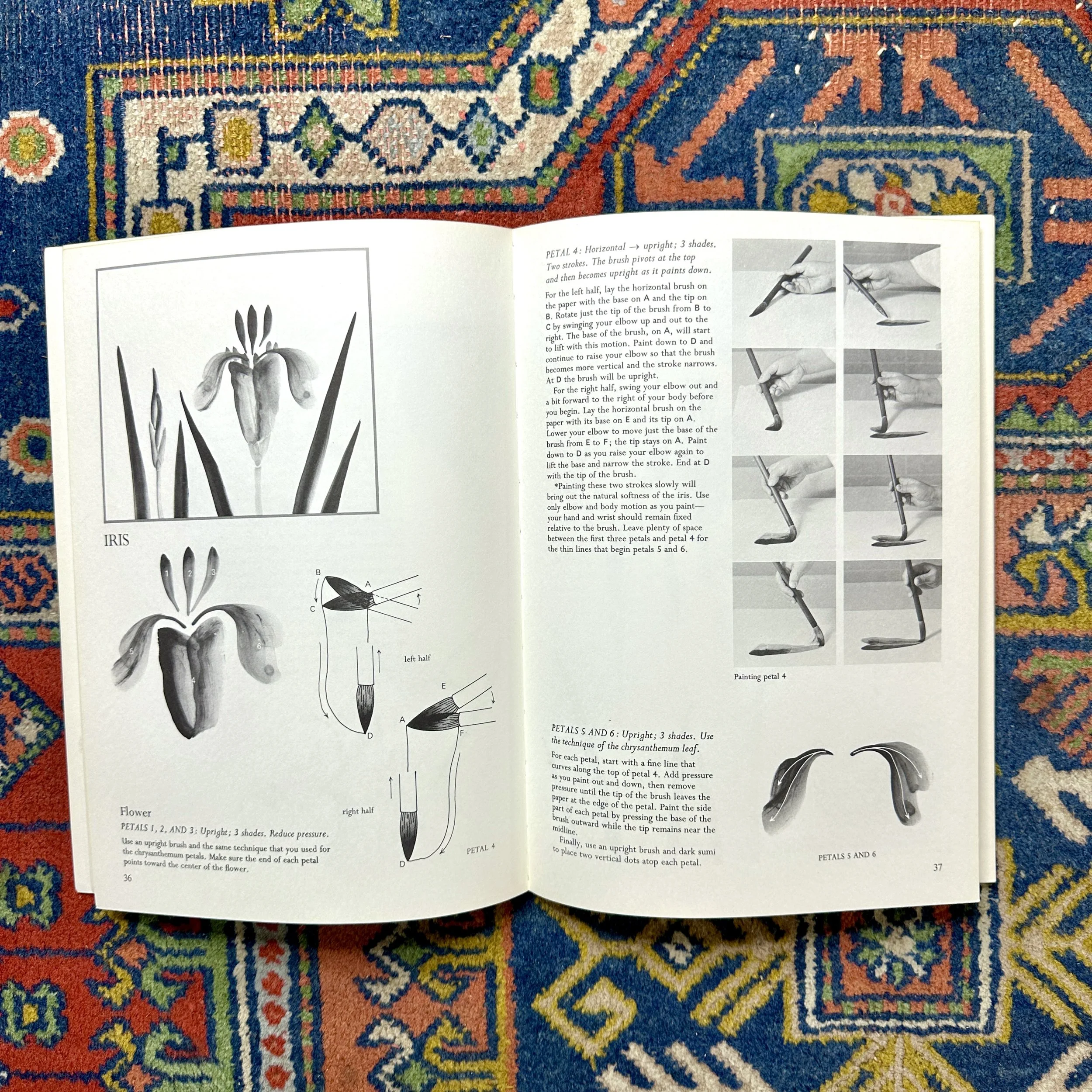 Image 2 of 4
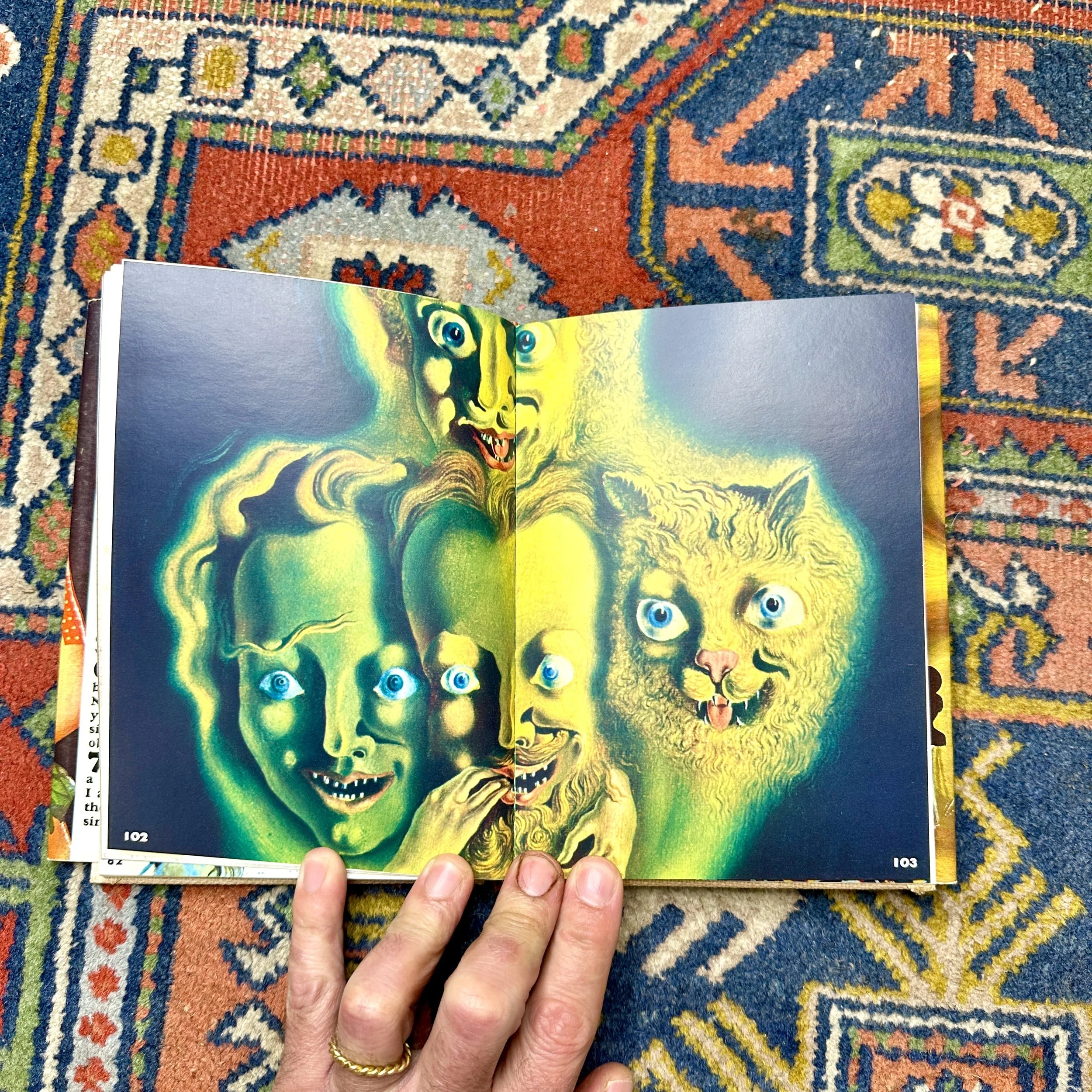
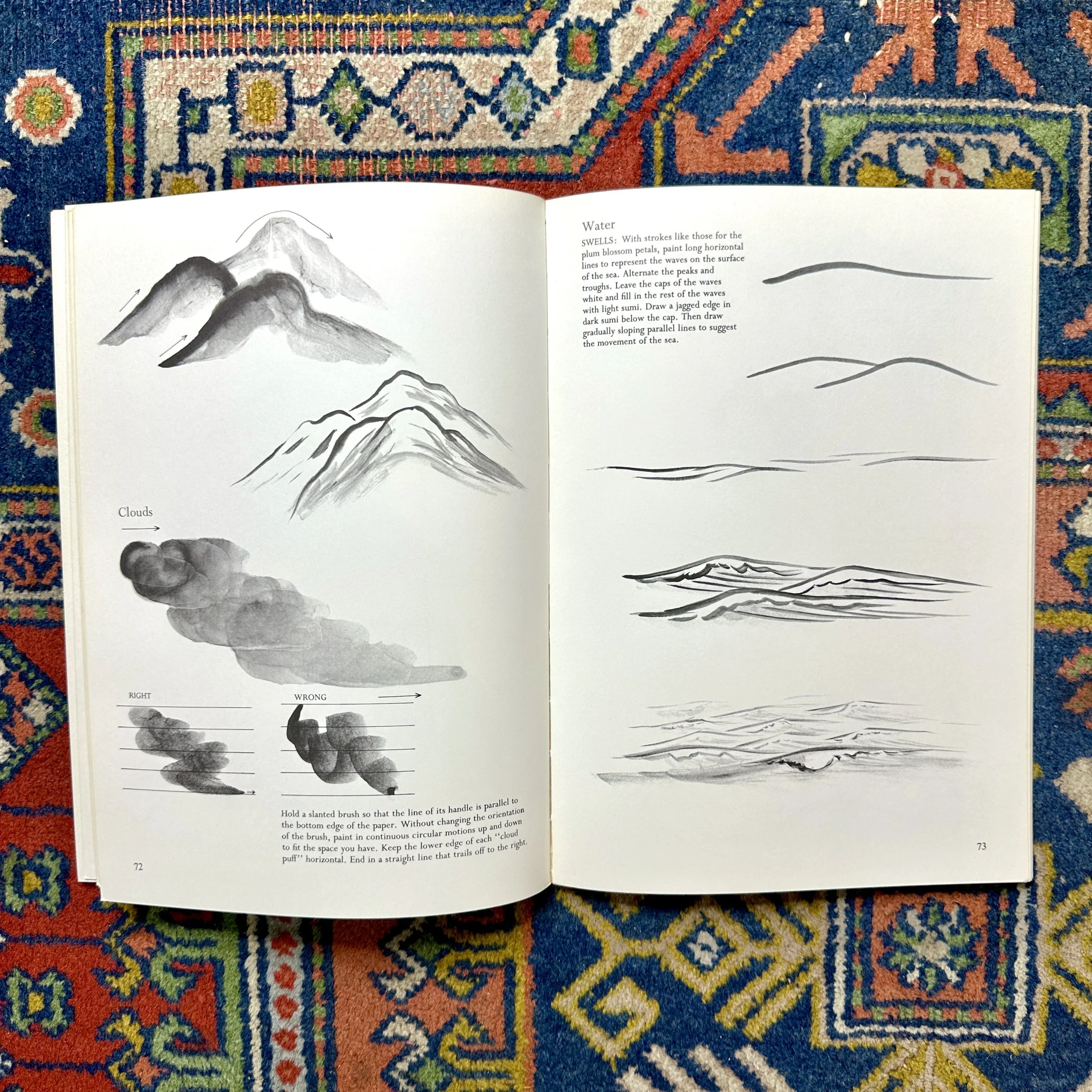 Image 3 of 4
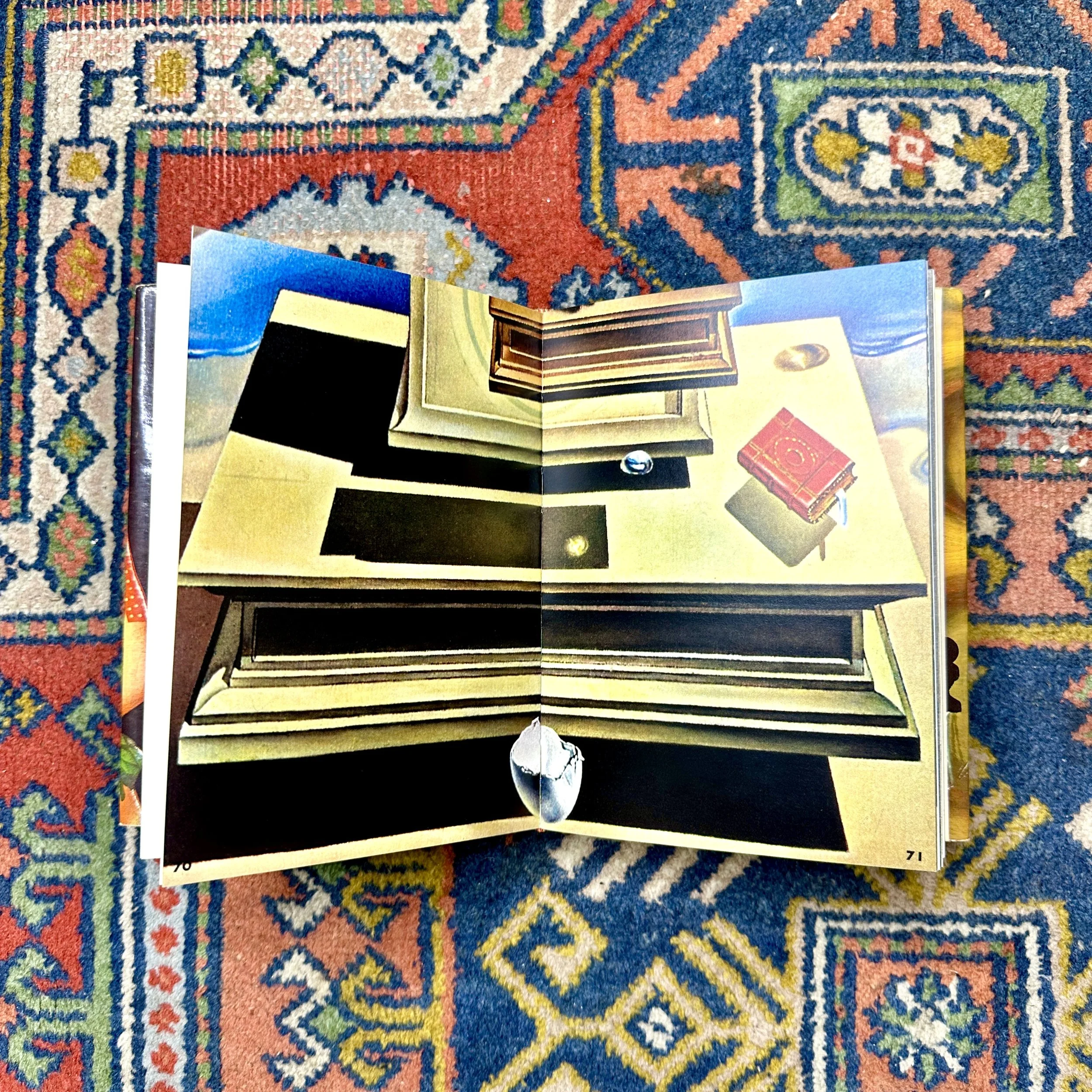
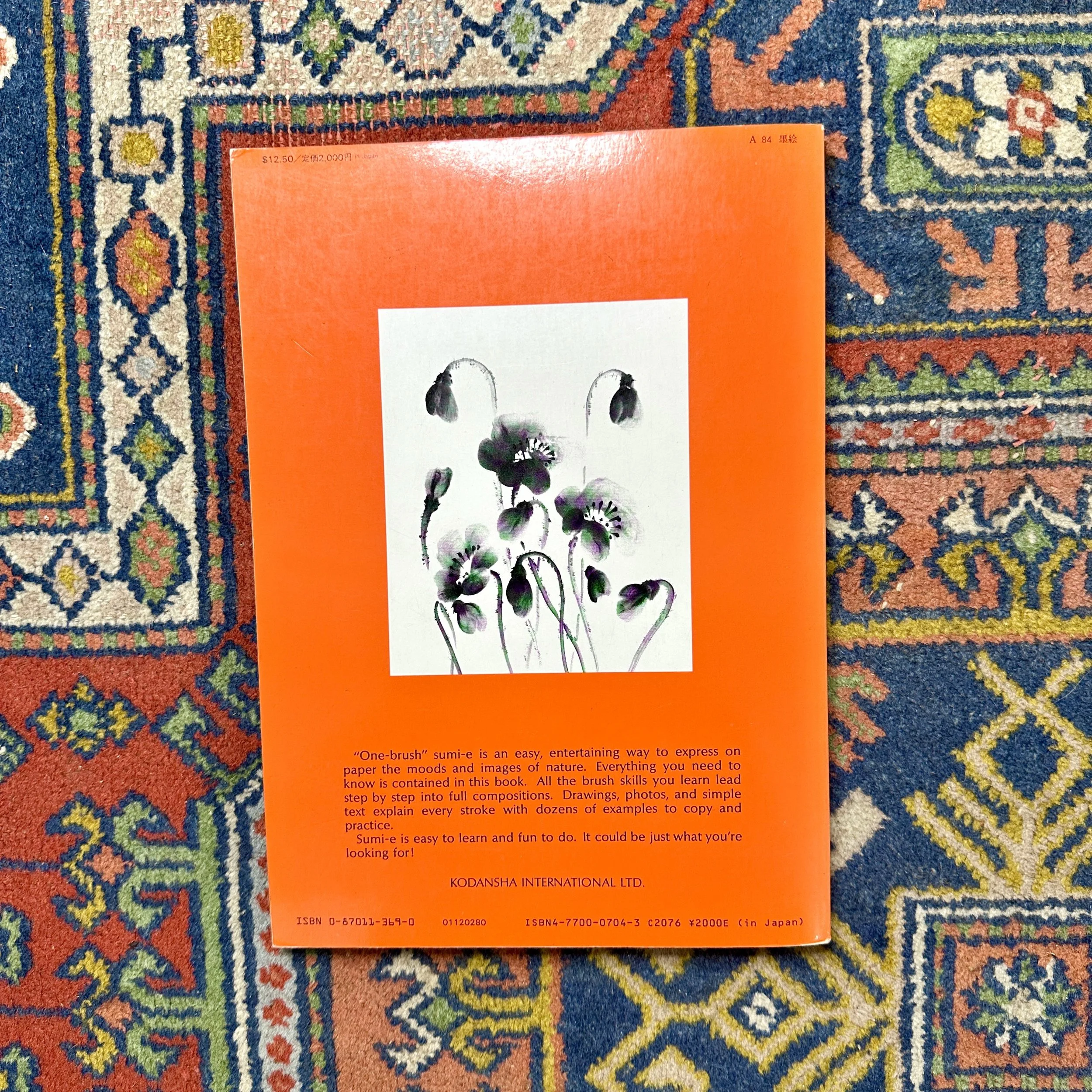 Image 4 of 4
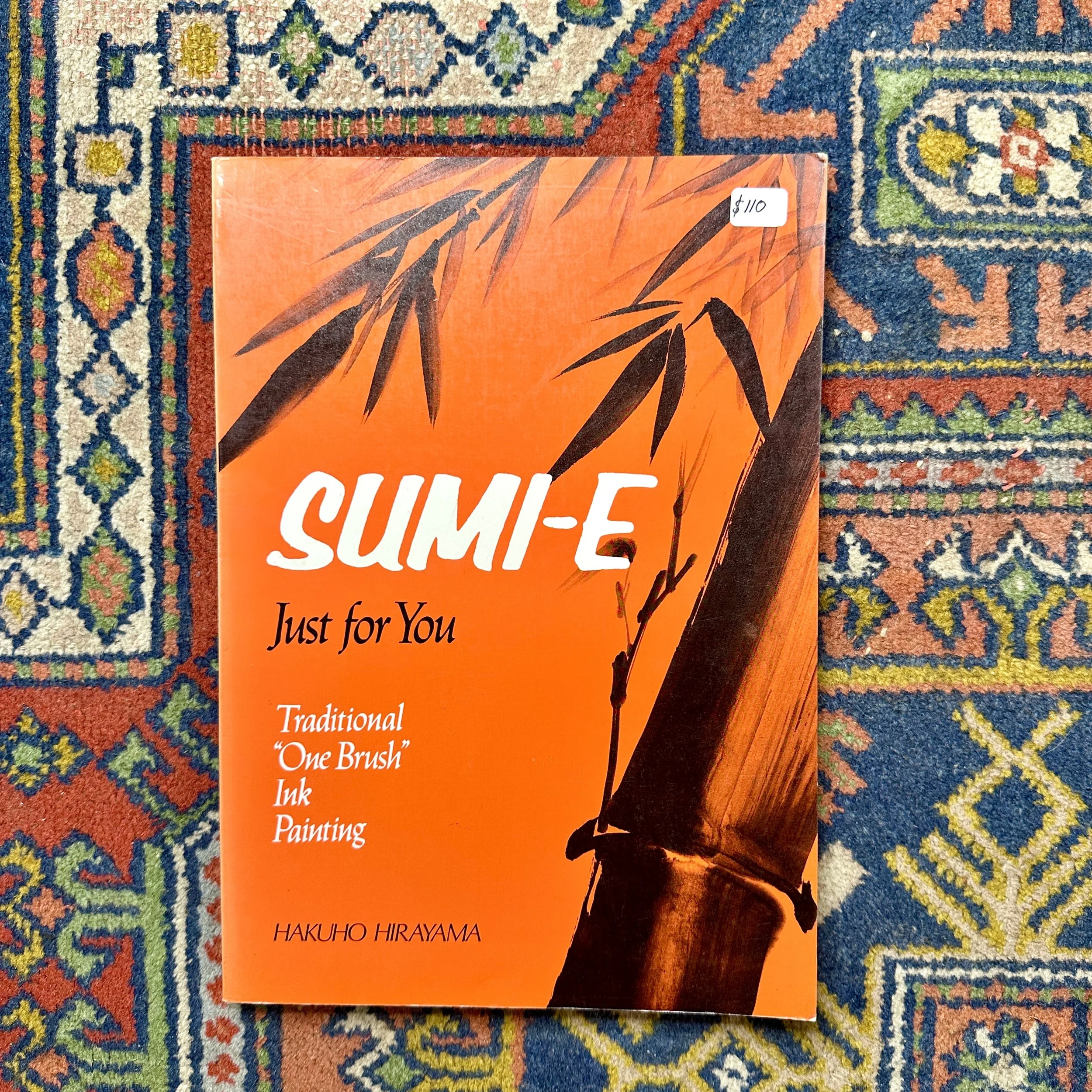
A beautiful vintage guide to the Japanese art of sumi-e, or traditional ink painting, by Hakuho Hirayama. Published by Kodansha International in 1979, Sumi-E: Just for You introduces the techniques of one-brush ink painting through a combination of instructional text, drawings, photographs and step-by-step examples.
The book explores the distinctive brush techniques used to create flowers, trees, fruit, vegetables, birds, animals and landscapes, progressing from individual brush strokes through to complete compositions.
Hirayamа was a long-time practitioner and teacher of sumi-e. She studied under sumi-e artists Taisei Mizukami and Keiho Kusuhara and taught the art to the international community in Tokyo, including classes at the Tokyo American Club. She also demonstrated sumi-e techniques internationally.
The book is particularly striking as a design and art object, with its vivid orange cover, bold Japanese-influenced typography and restrained sumi-e imagery. It has the kind of graphic quality that makes it equally suited to an artist's studio, bookshelf or coffee table.
This copy is in very good vintage condition, with light signs of age and handling but presenting particularly well overall.
A beautiful vintage guide to the Japanese art of sumi-e, or traditional ink painting, by Hakuho Hirayama. Published by Kodansha International in 1979, Sumi-E: Just for You introduces the techniques of one-brush ink painting through a combination of instructional text, drawings, photographs and step-by-step examples.
The book explores the distinctive brush techniques used to create flowers, trees, fruit, vegetables, birds, animals and landscapes, progressing from individual brush strokes through to complete compositions.
Hirayamа was a long-time practitioner and teacher of sumi-e. She studied under sumi-e artists Taisei Mizukami and Keiho Kusuhara and taught the art to the international community in Tokyo, including classes at the Tokyo American Club. She also demonstrated sumi-e techniques internationally.
The book is particularly striking as a design and art object, with its vivid orange cover, bold Japanese-influenced typography and restrained sumi-e imagery. It has the kind of graphic quality that makes it equally suited to an artist's studio, bookshelf or coffee table.
This copy is in very good vintage condition, with light signs of age and handling but presenting particularly well overall.